



PFAS are in the process of being banned by the EU, but no legislation has been enacted yet.

7 facts you may not have known about PFAS
Long-term exposure to PFAS has been linked to a wide range of health problems, including increased cholesterol levels, changes in liver enzymes, reduced vaccine response in children, an increased risk of high blood pressure or preeclampsia in pregnant women, developmental effects or delays in children, an increased risk of kidney or testicular cancer, and adverse effects on the immune system.
To determine whether a product contains PFAS, check the ingredient list for terms such as PTFE, polytef, or other phrases containing “perfluoro-” and “polyfluoro-”. Also look for certifications or manufacturer claims on labels stating that the product is “PFAS-free” or does not contain specific PFAS chemicals.
How can you avoid consuming PFAS?
-
To minimize dietary PFAS intake, it is important to be aware of potential sources of contamination. In addition to avoiding fish and shellfish from polluted lakes—especially in Sweden, where crayfish are known to have high PFAS levels—you should also consider the following:
- Limit your consumption of processed foods, as packaging materials may contain PFAS.
- Reduce your intake of conventionally grown produce, which may be exposed to PFAS-contaminated soil or water.
- Check for advisories on local and imported shellfish, as waterways around the world may be contaminated with PFAS.
- Be cautious with meat and dairy products, as animals can accumulate PFAS from their environment and feed.
-
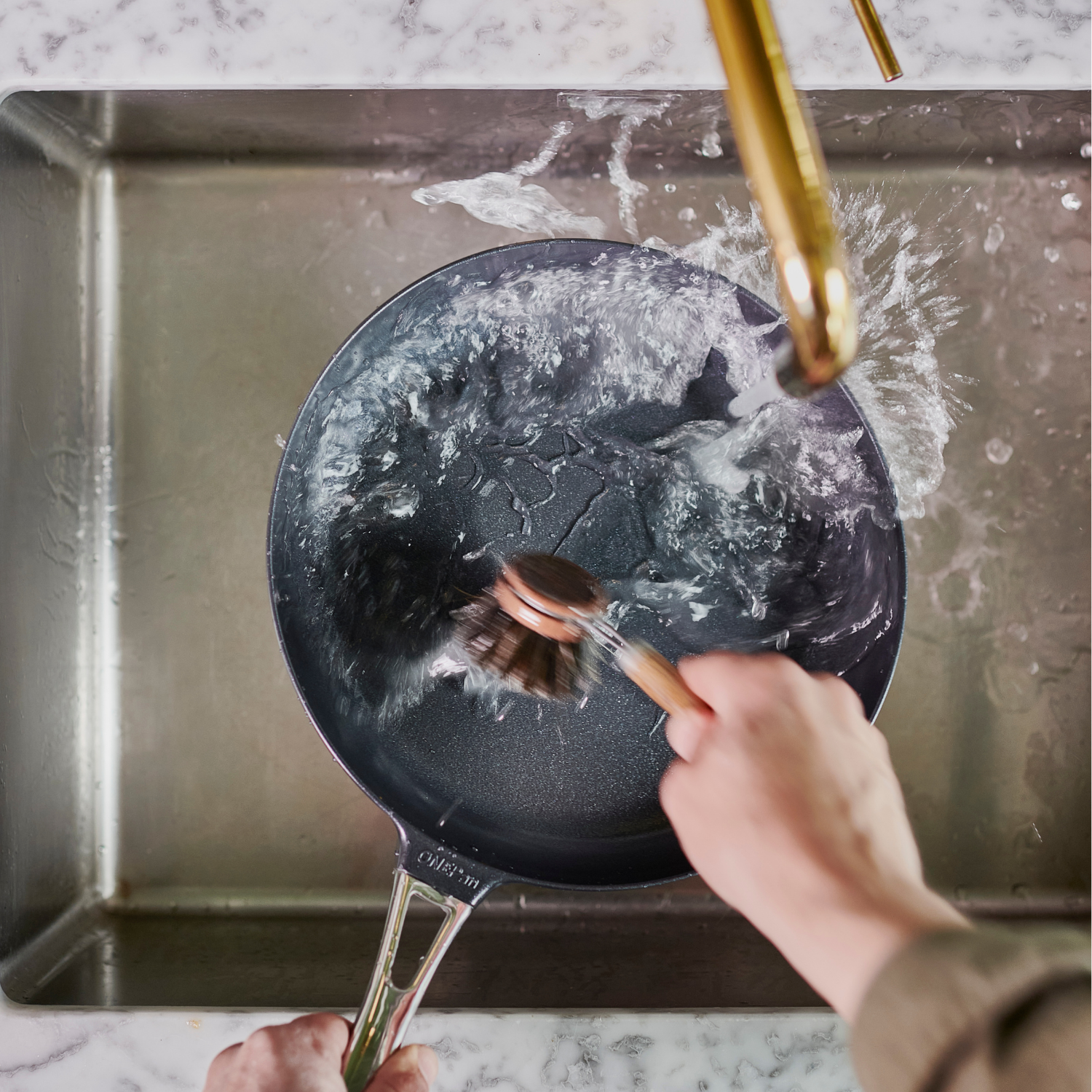
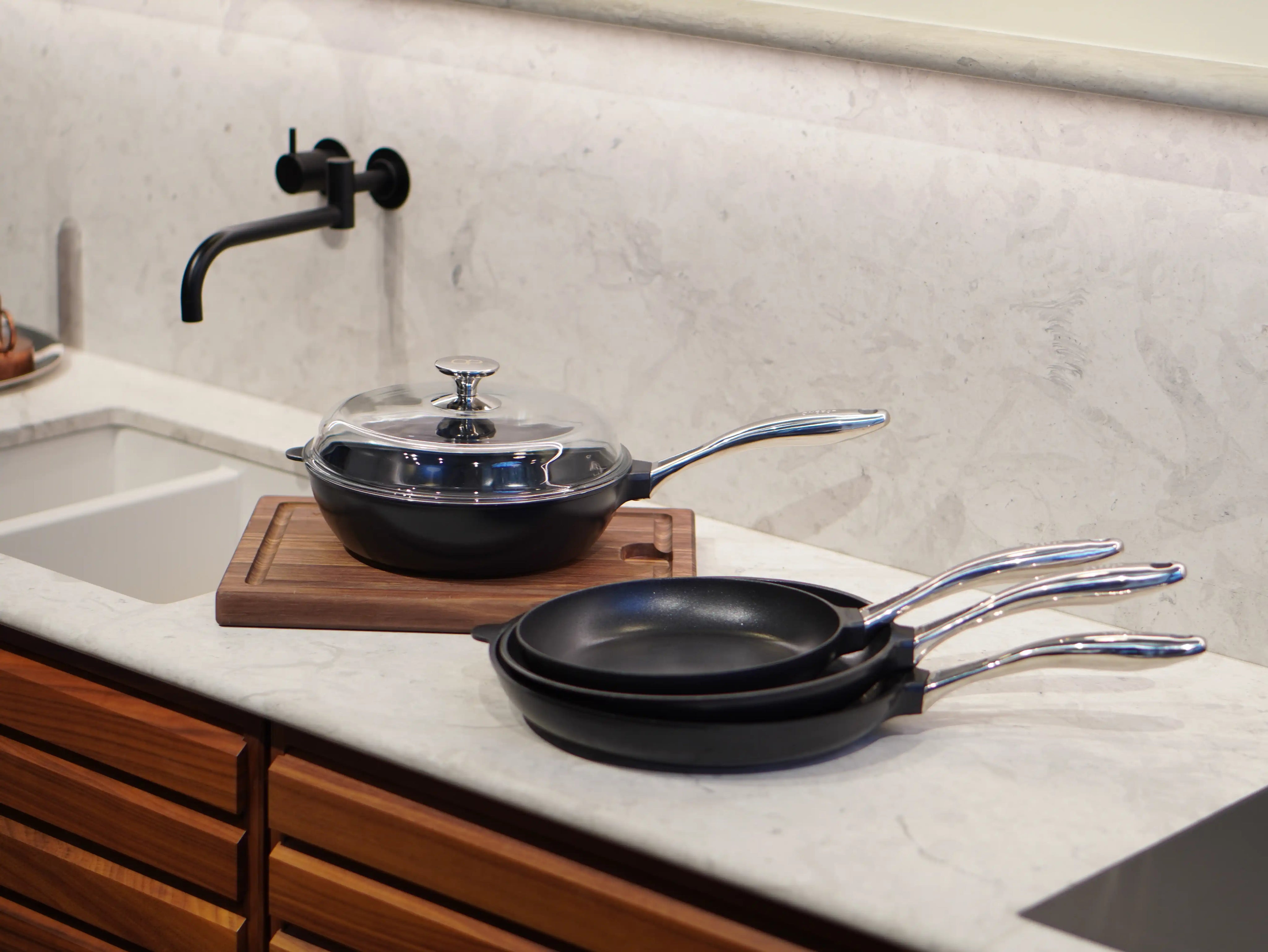
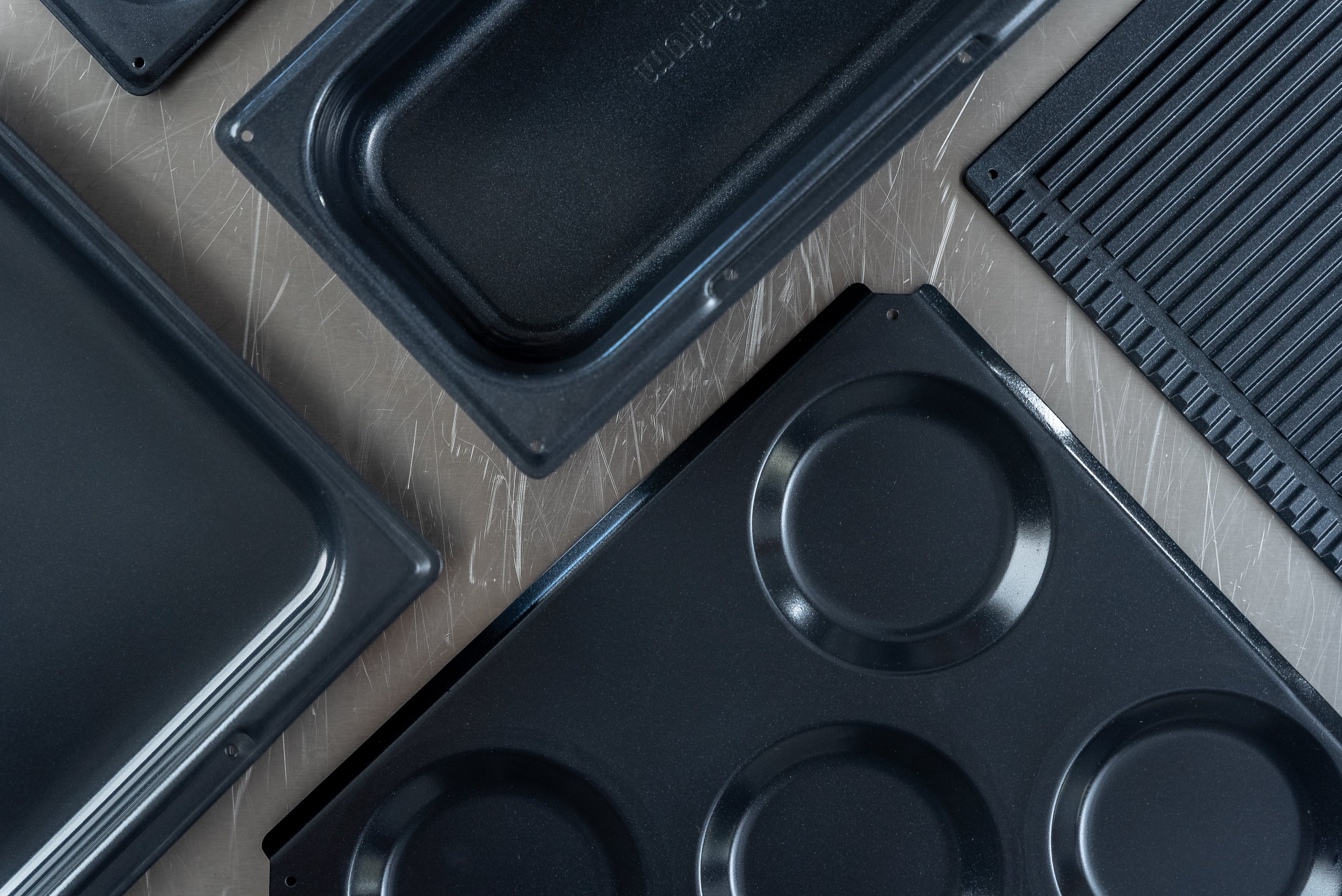
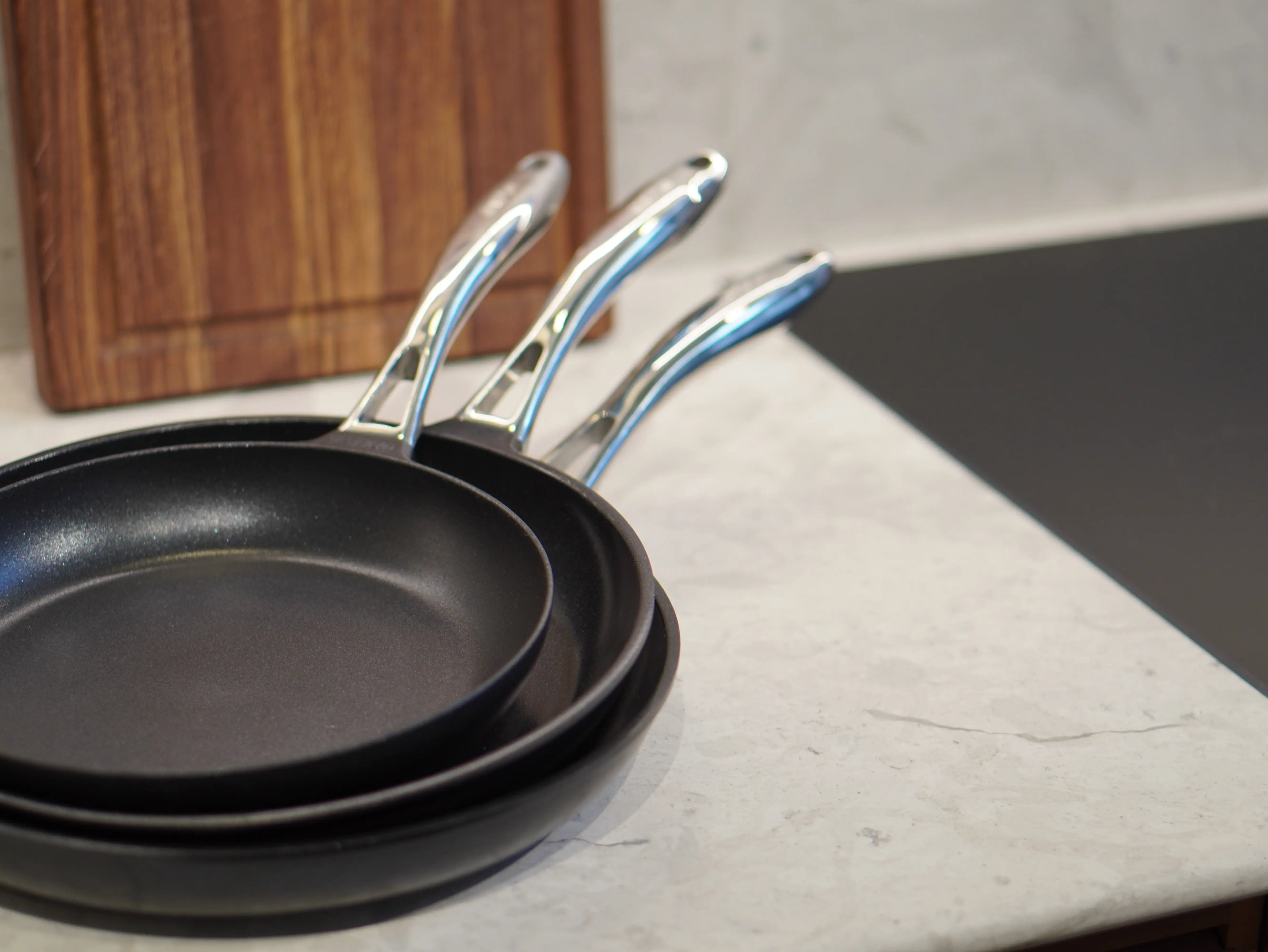
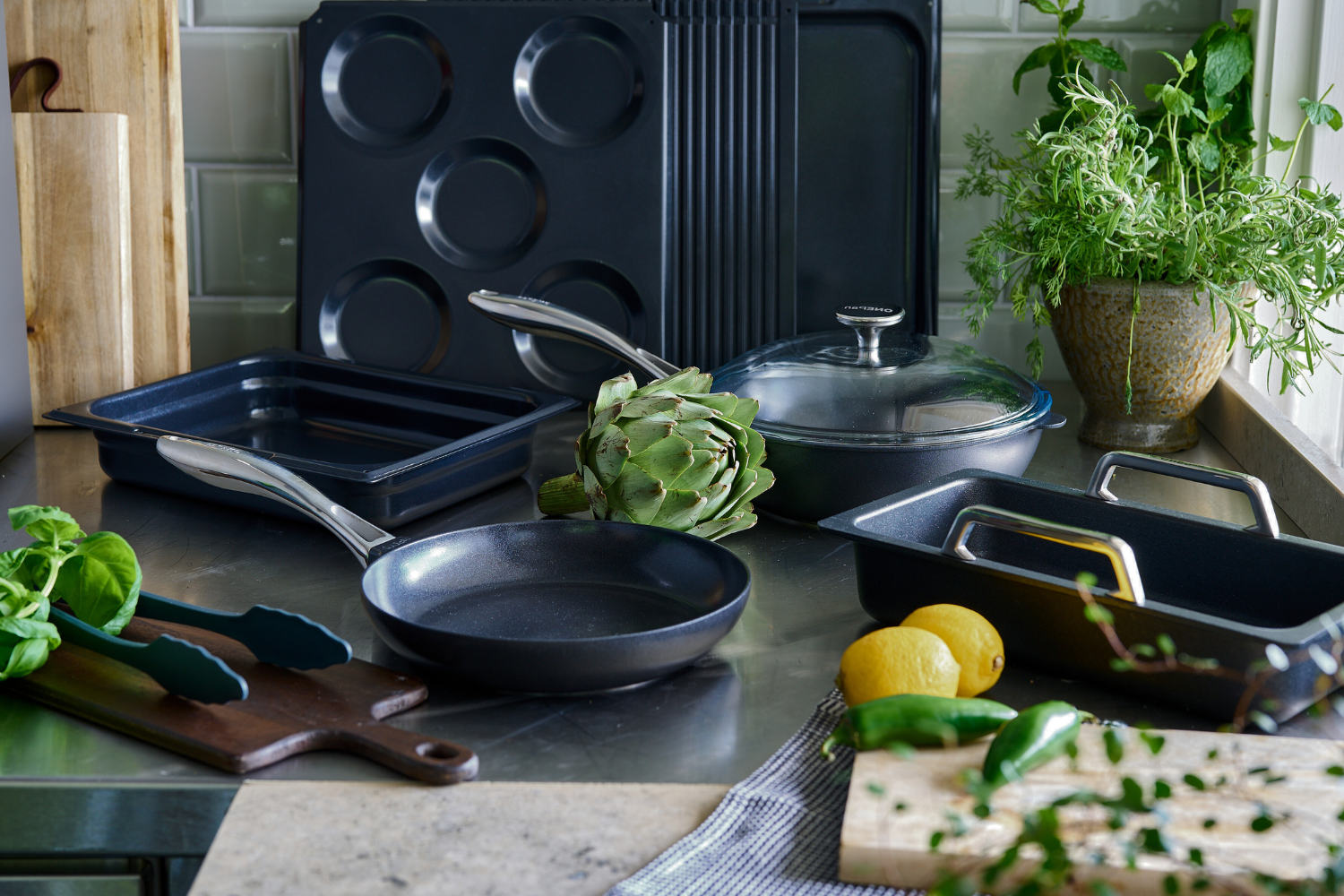
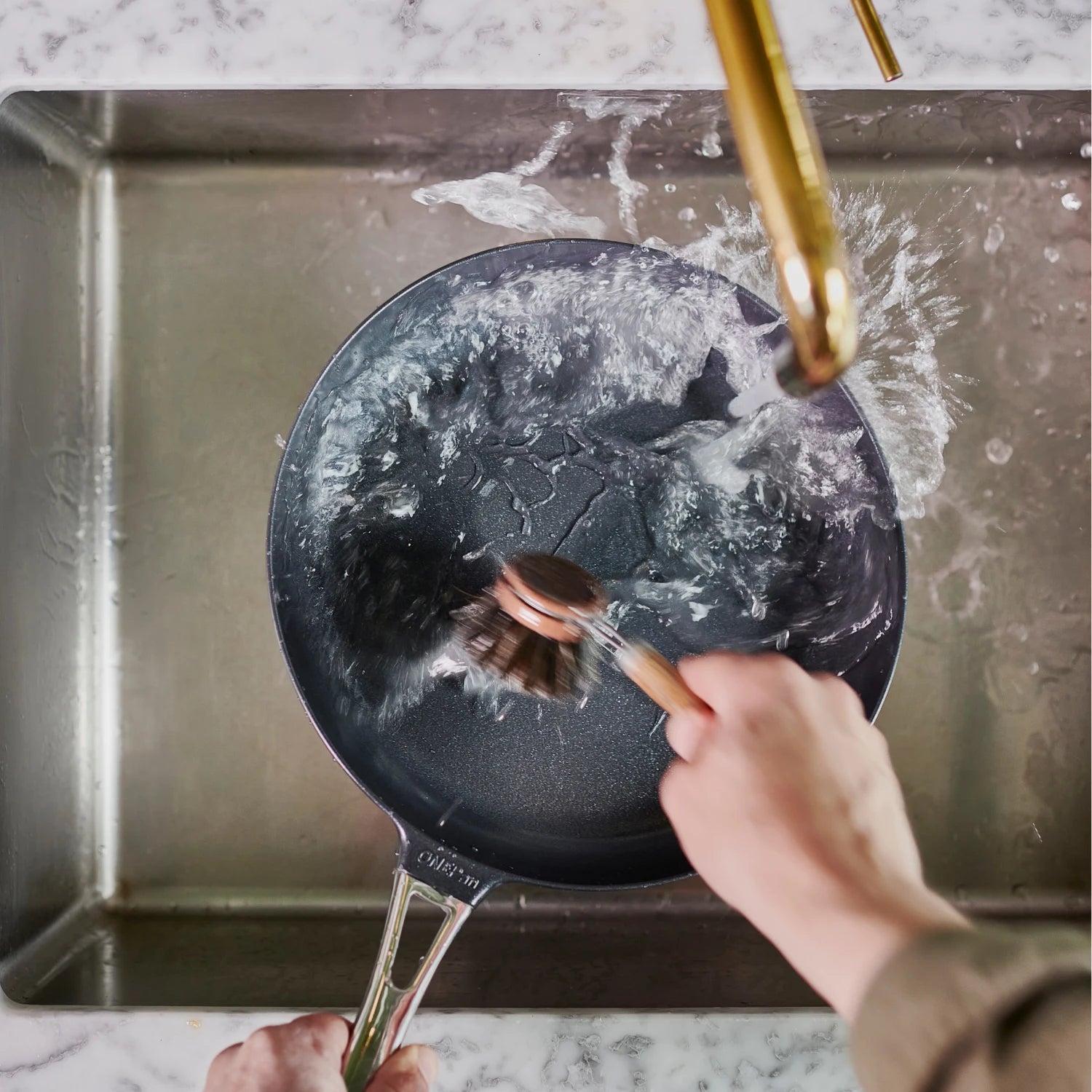
Kitchen products (frying pans, oven dishes, pots, and baking tins) with a non-stick coating where the manufacturer does not clearly state that they are made without PFAS (PFOS or PFOA alone is not sufficient).
- Cosmetics and skincare products containing PFAS.
- Most water-repellent products.
- Water- and weather-resistant garments and outdoor clothing containing PFAS.
- Many types of ski wax.
- Cardboard takeaway containers where you can see the oil “beading” up.
- Be cautious with firefighting foam.
-
In the short term—nothing. Long-term and repeated exposure to PFAS can lead to a range of health problems due to their persistence and bioaccumulation in the human body. Some of the documented effects include:
- Elevated cholesterol levels
- Changes in liver enzymes and liver function
- Reduced vaccine response in children, suggesting effects on the immune system
- Developmental effects such as low birth weight and reduced fetal growth
- A potentially increased risk of kidney and testicular cancer, based on animal studies and some epidemiological data
- Hormonal disruptions and potential reproductive problems
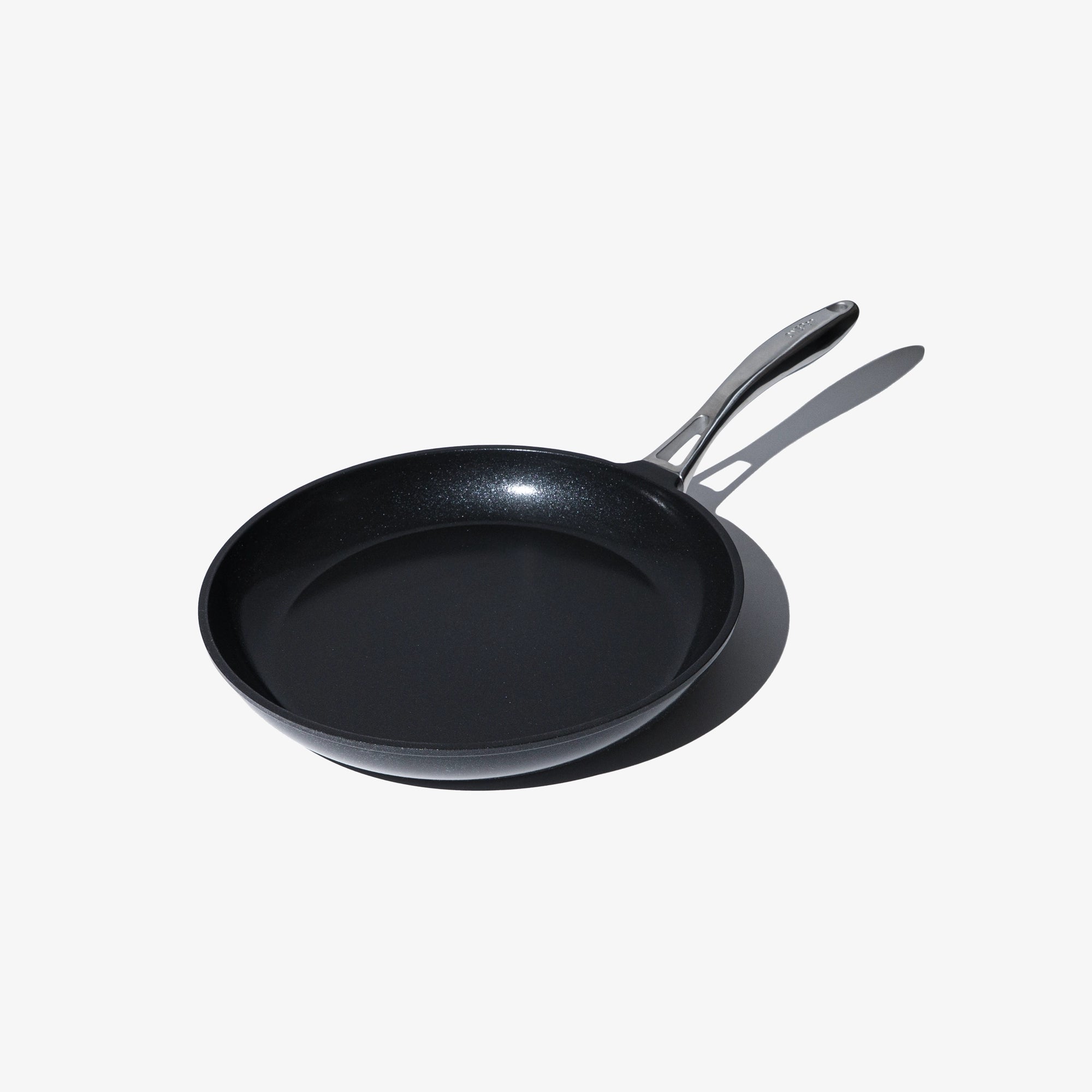
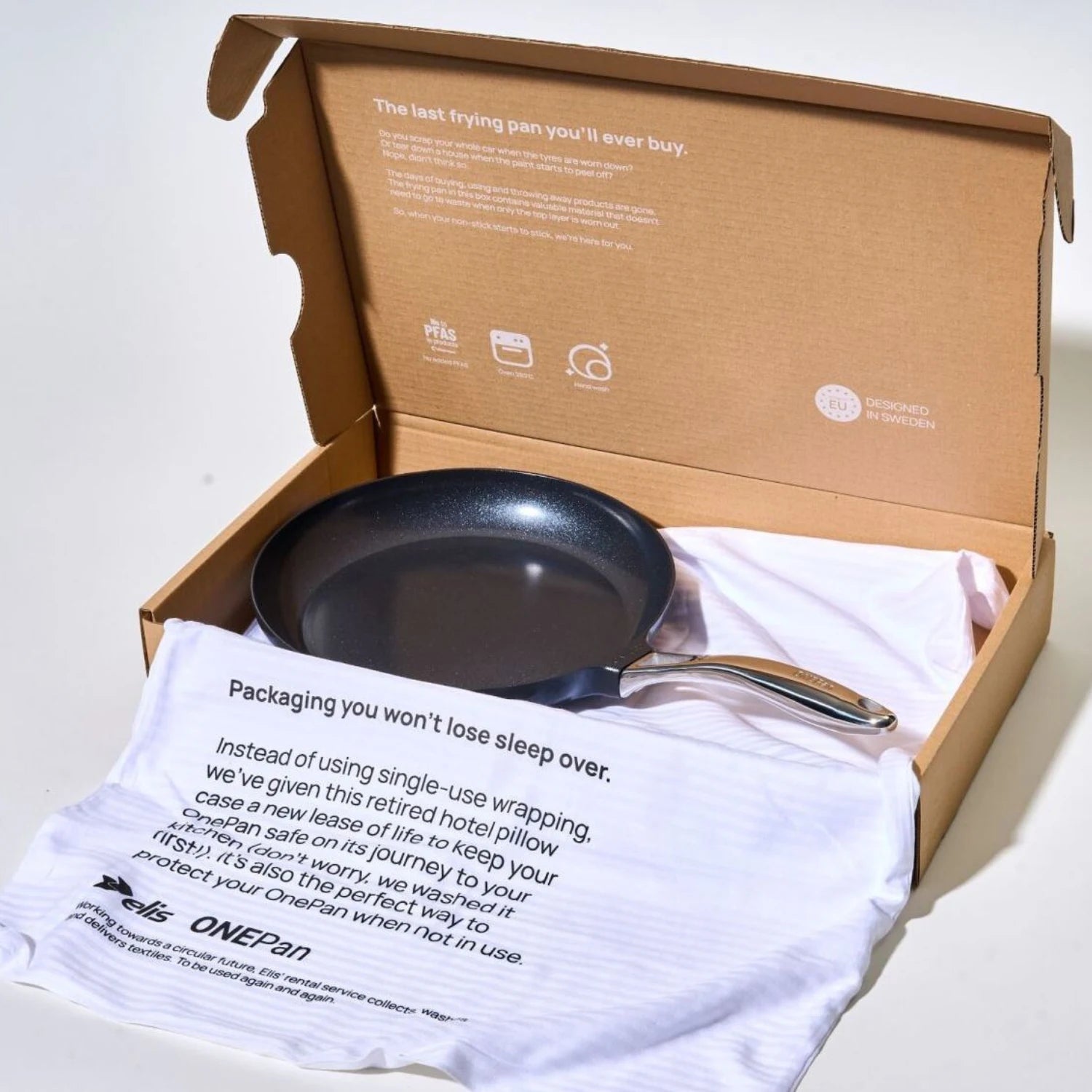
The last frying pan you buy!
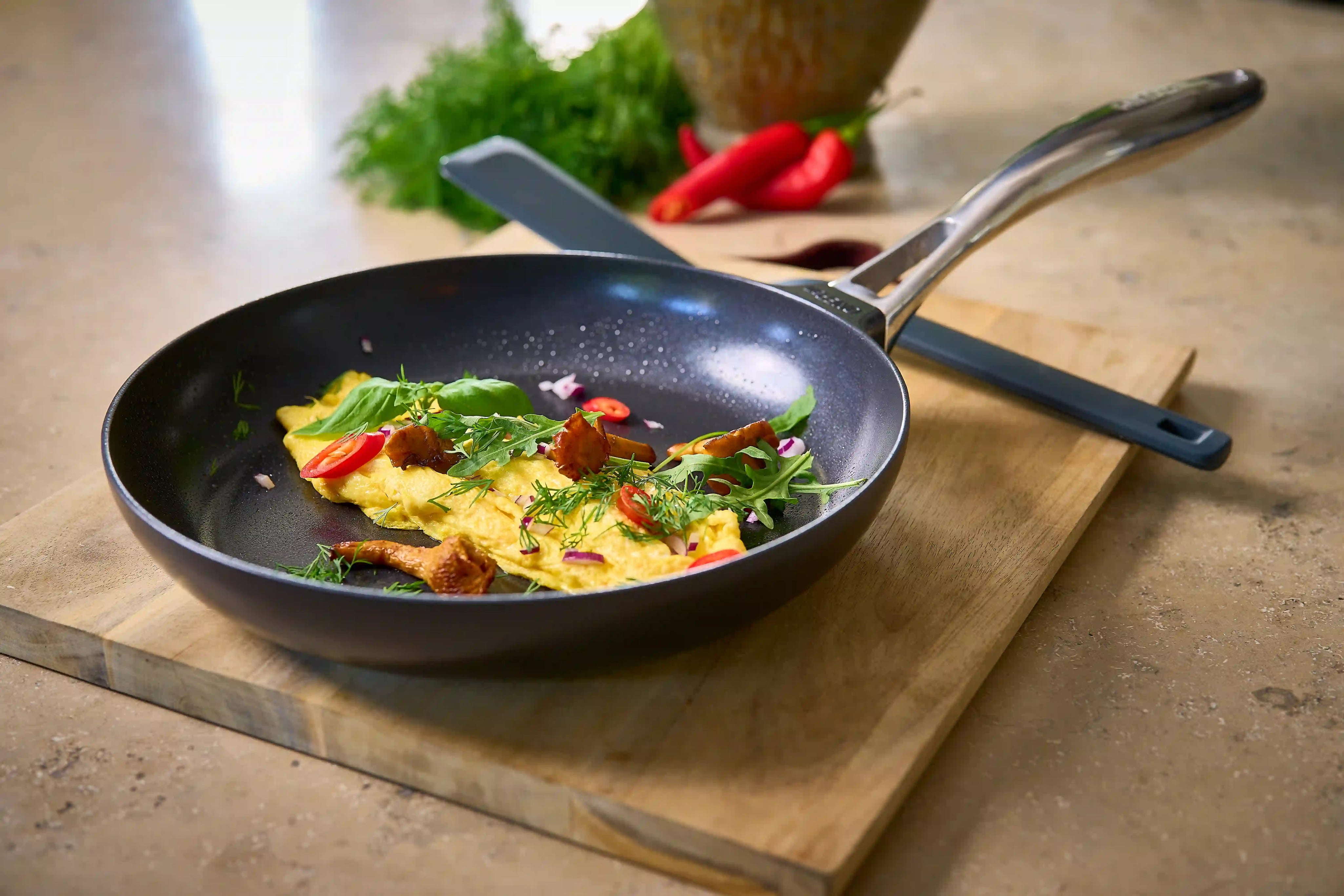
Frying pan 28 cm, PFAS-free non-stick | OnePan
Perfect for everyday dinners and the family's favorite dishes
1.527,00 NOK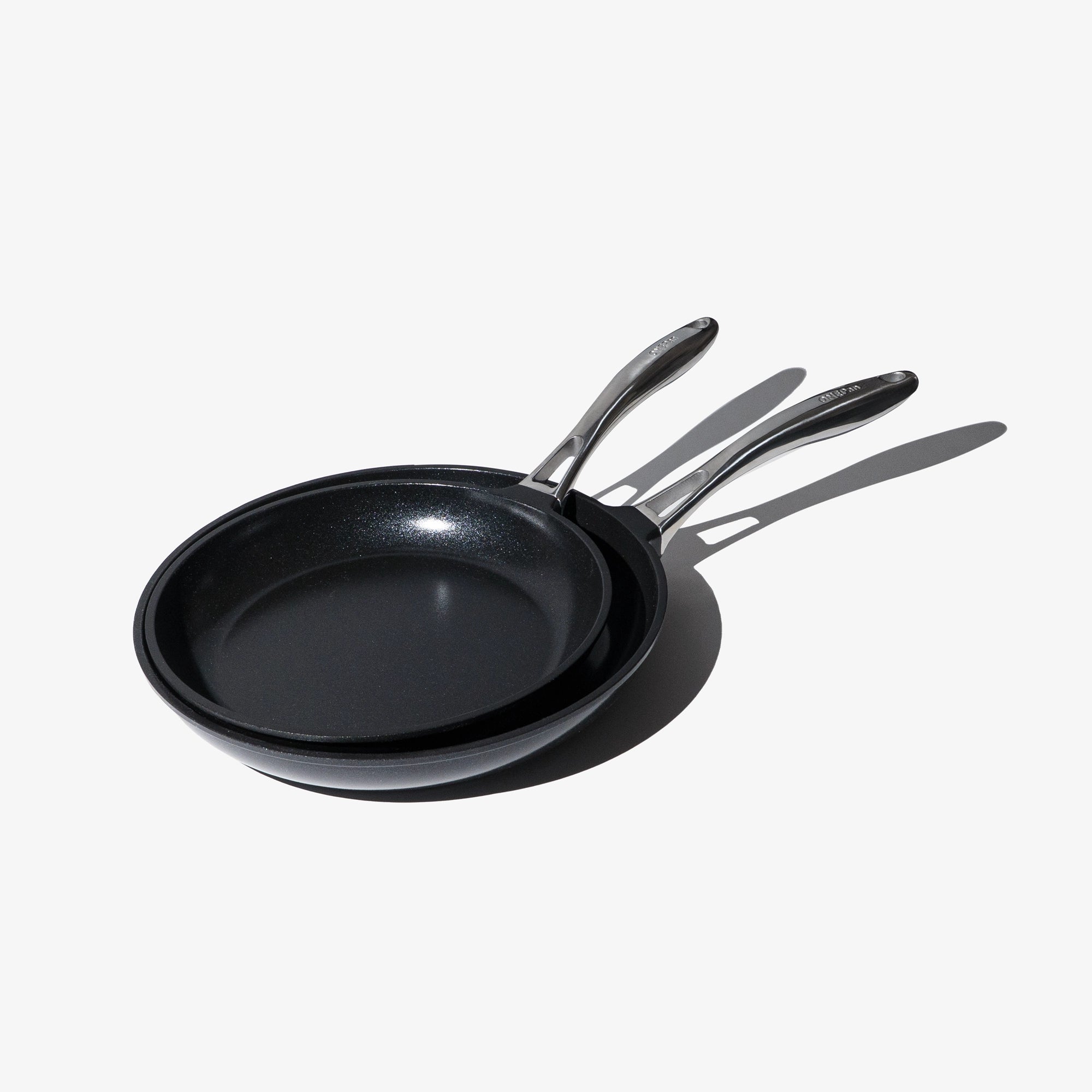
Power couple
Save 648 kr NOK now!
Frying pans 24/28 cm, Ceramic non-stick | 2-piece set
2.944,00 NOK
Perfect set for everything from dinner for two to family party
2.296,00 NOK

Your go-to for everything from pasta to popcorn
Sauté pan 26 cm, Deep frying pan with lid | OnePan
Perfect for pasta, stews, and popcorn
1.856,00 NOK

Our bestsellers – now as a set
Save 988 kr NOK now!
Bestseller Kit | 28 cm frying pan + Glass lid & OneRoast Roast & Grill Kit
3.174,00 NOK
Perfect for every dish, every day
2.186,00 NOK

Perfect for the couple or as your best sidekick


Premium glass lid included
Save 110 kr NOK now!
Frying pan 30 cm + Glass lid | OnePan
2.076,00 NOK
Perfect for everyday dinners and the family's favorite dishes
1.966,00 NOK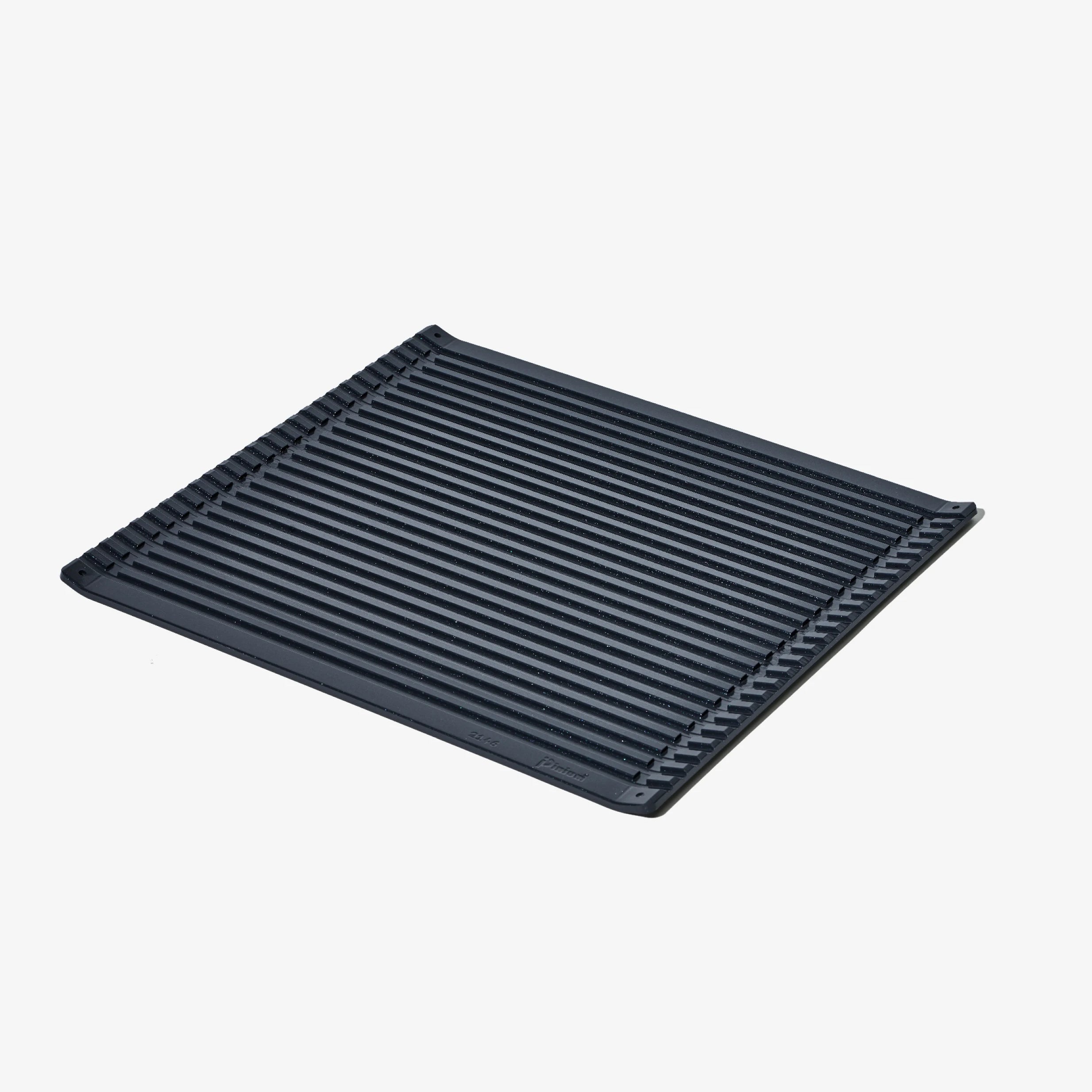
Summer grilling all year round
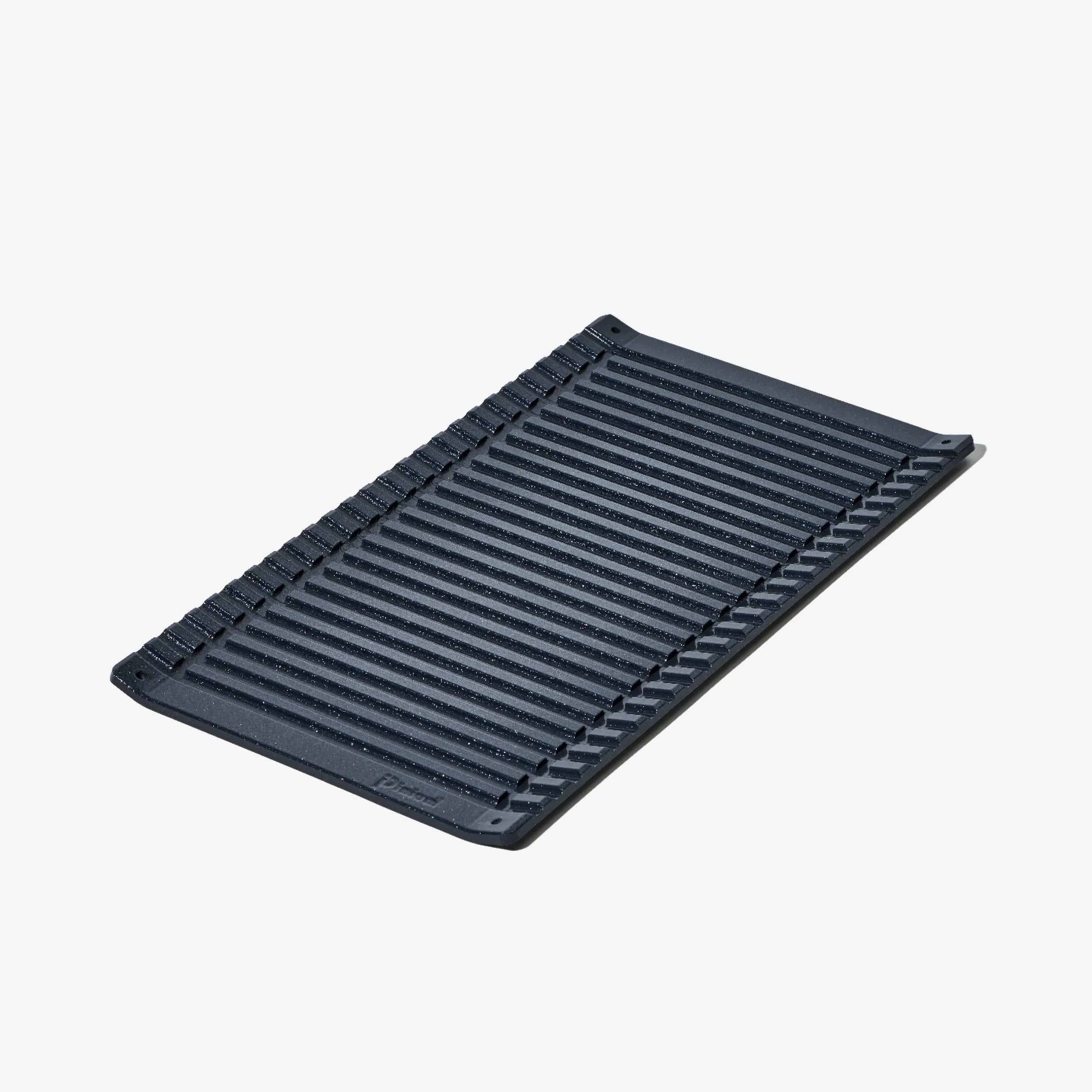
Grill tray & baking sheet for the oven, Non-stick | OneTray
Perfect for grilled chicken, fish, and pizza in the oven
From 758,00 NOK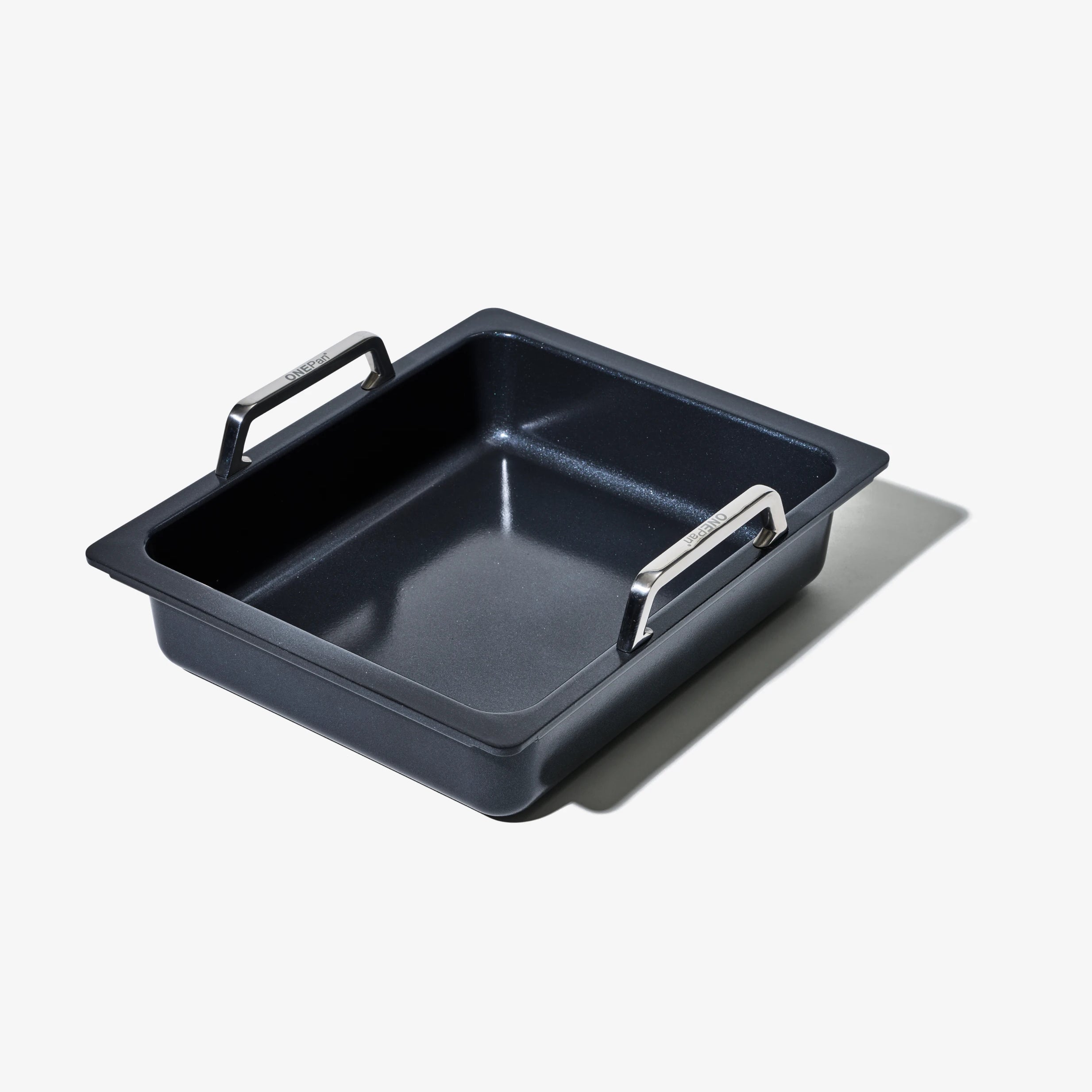
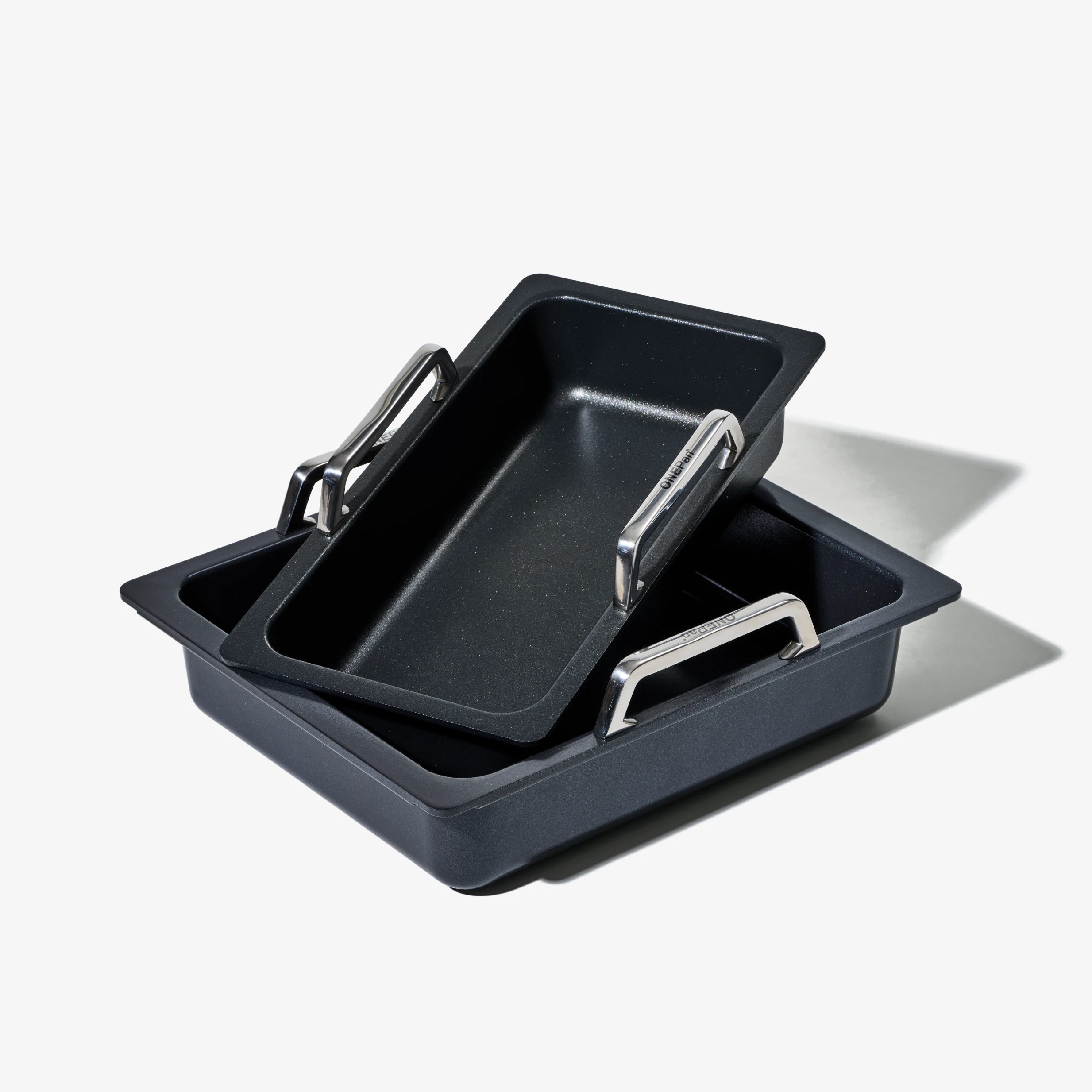
Frying pan & oven dish in one!
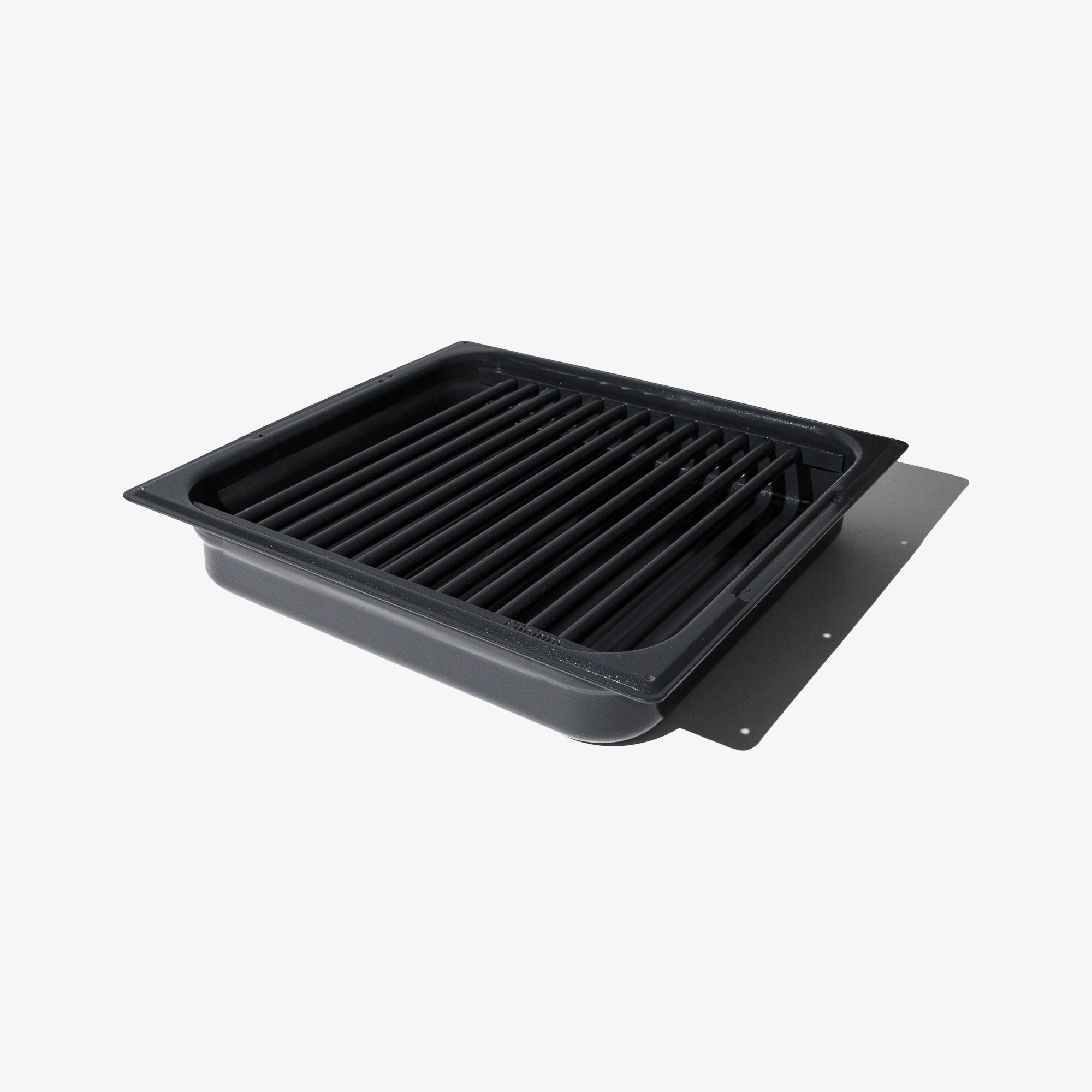

Upgrade the oven with a grill surface
Save 505 kr NOK now!
Roasting dish + rack, PFAS-free non-stick | Roast & Grill Kit
1.593,00 NOK
Perfect from everyday dinner to weekend grill in the oven.
1.088,00 NOK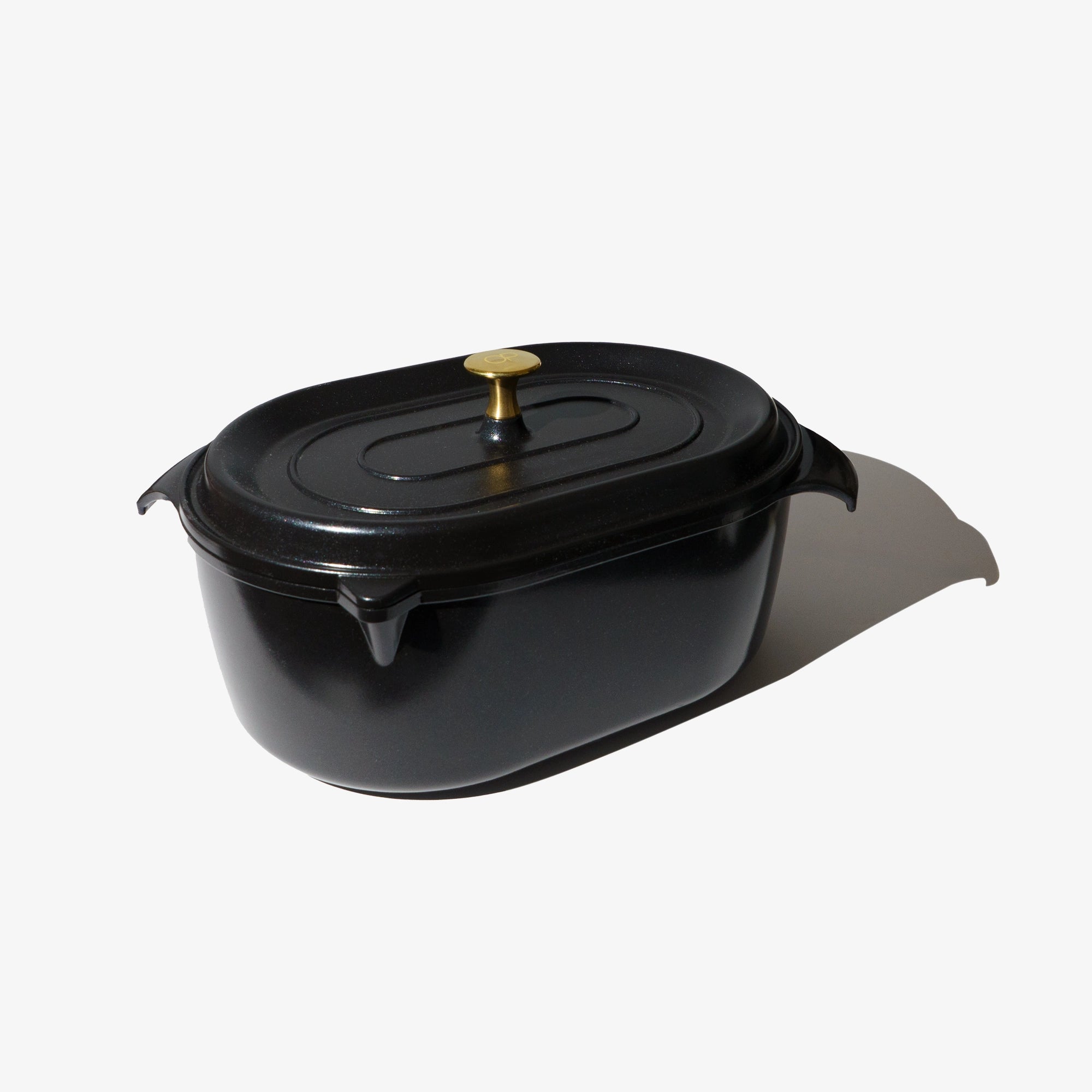
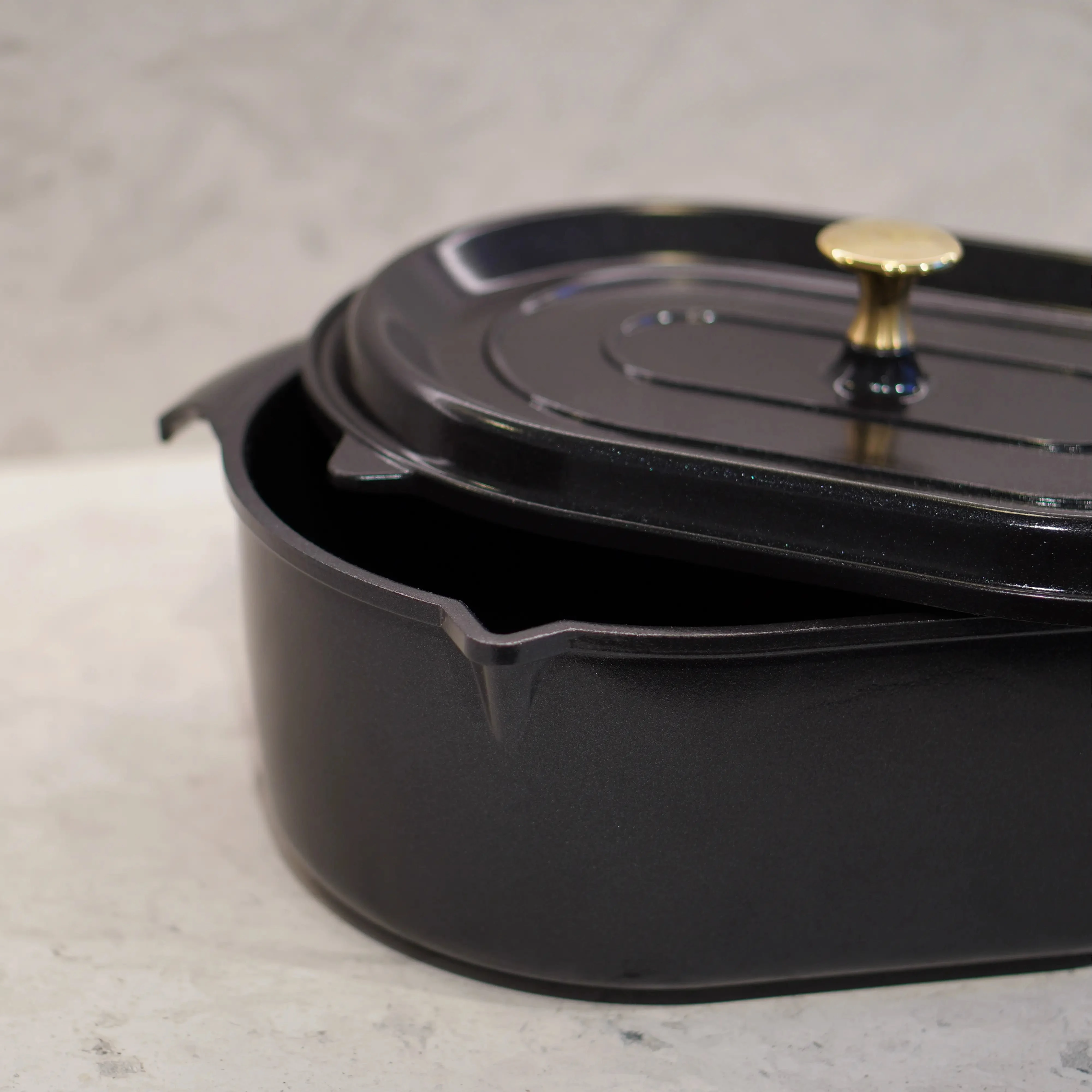
From slow cooking to sourdough baking
Save 549 kr NOK now!
6-liter pot for slow cooking & soups, Non-stick | OnePot
2.076,00 NOK
Perfect for slow cooking, soups, family dinners, and festive occasions
1.527,00 NOK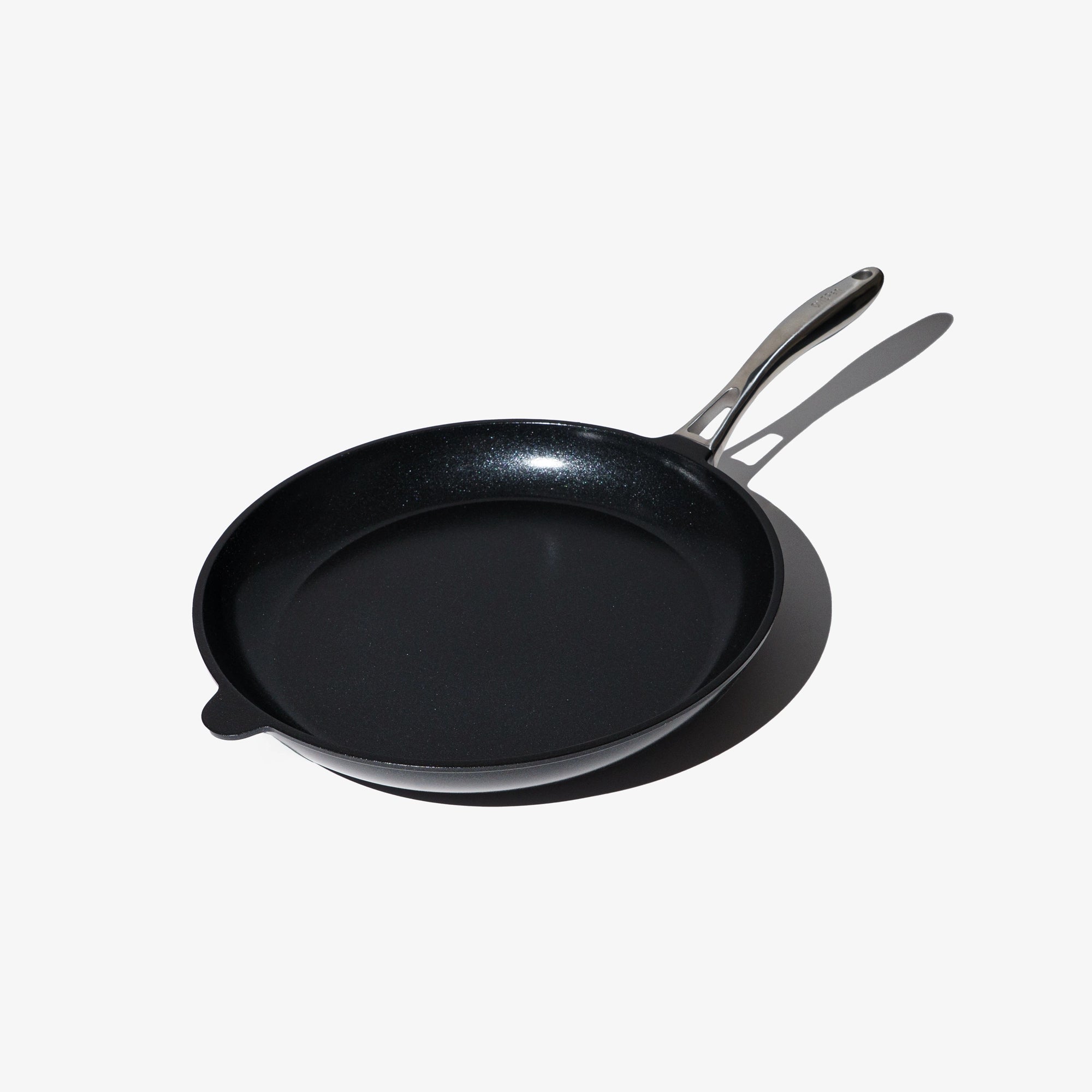
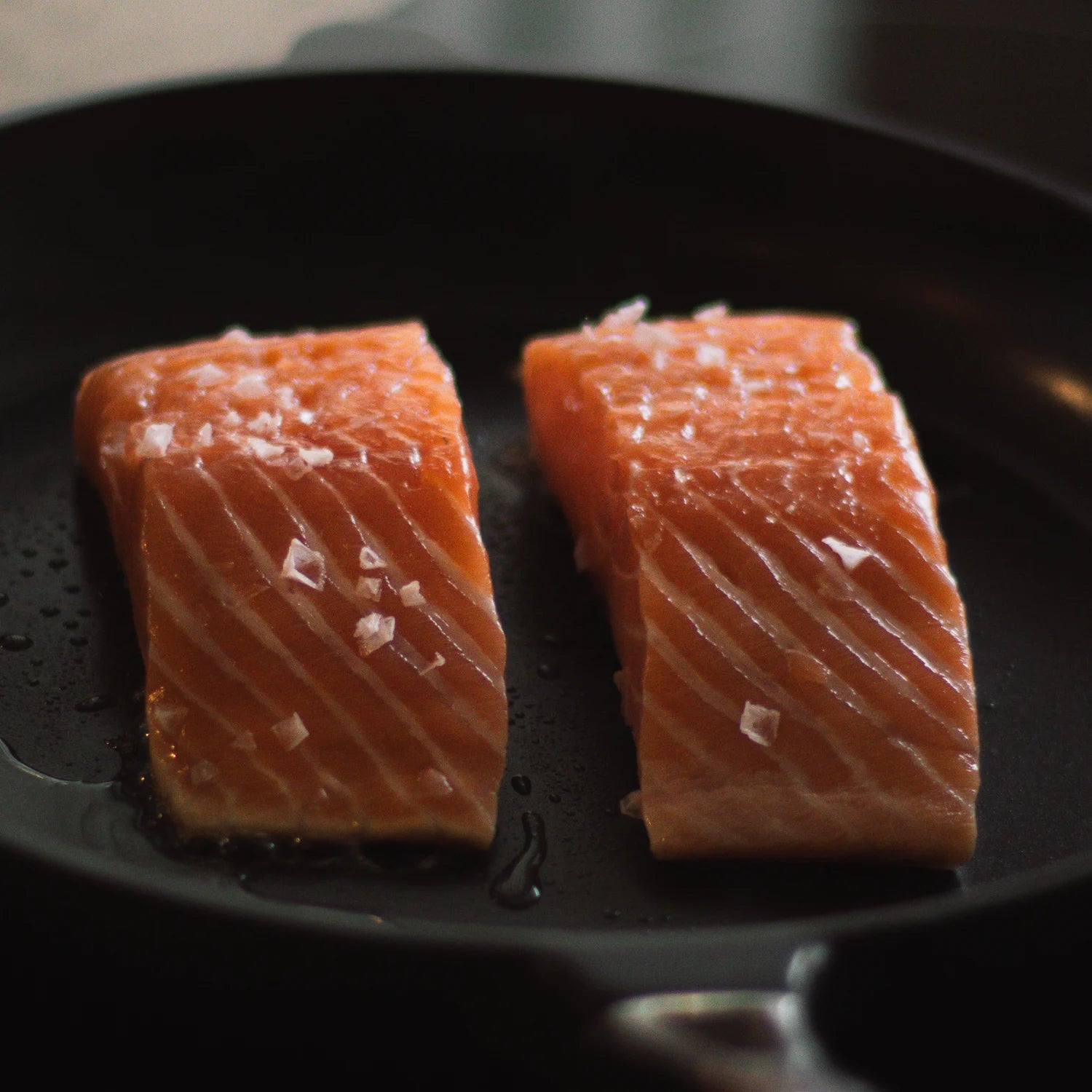
For large dinners and bigger plans
Frying pan 30 cm, PFAS-free non-stick | OnePan
Perfect for large dinners and everything that requires extra space
1.856,00 NOK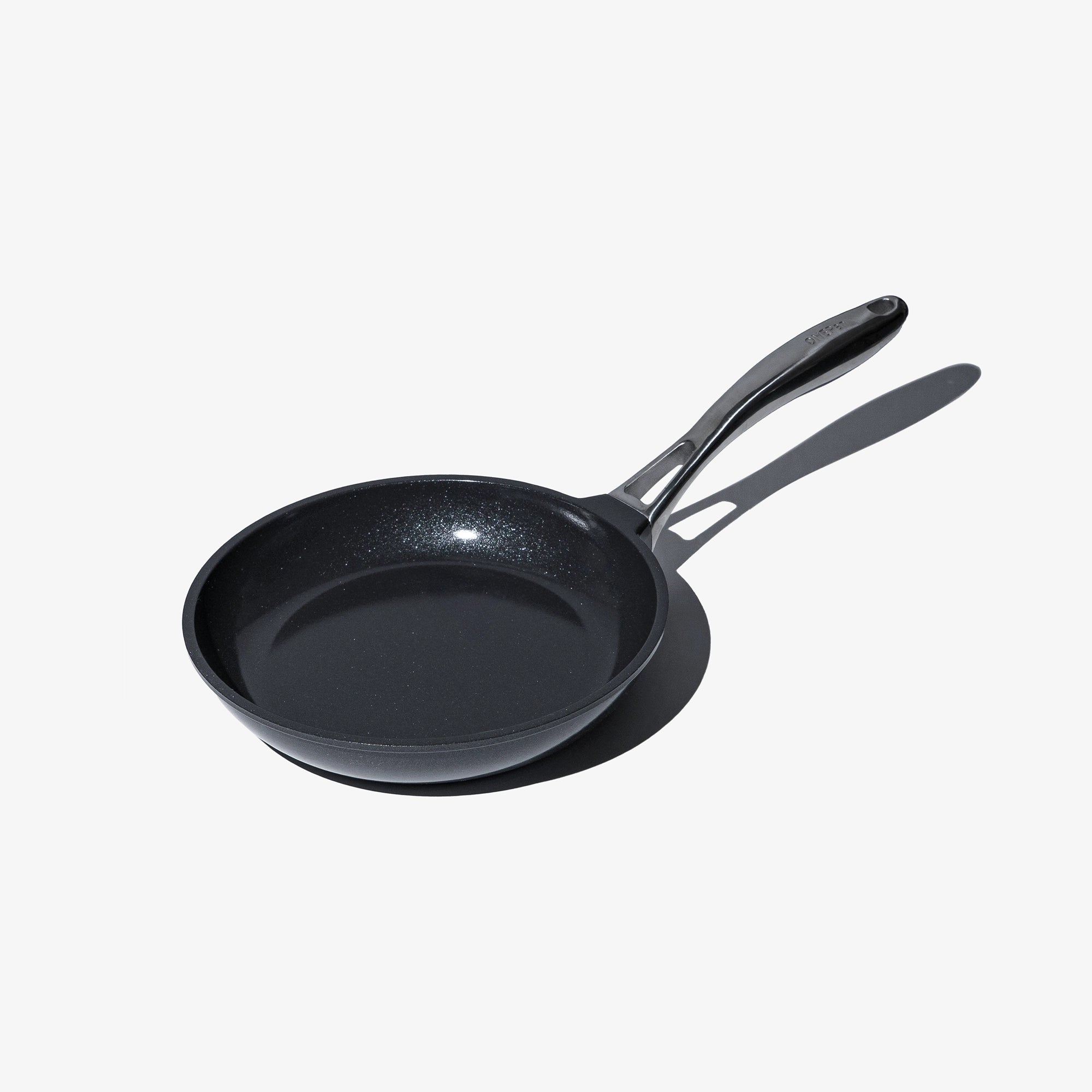

The perfect omelette pan
Frying pan 20 cm, PFAS-free non-stick | OnePan
Perfect for omelets, pancakes, and small portions
1.197,00 NOK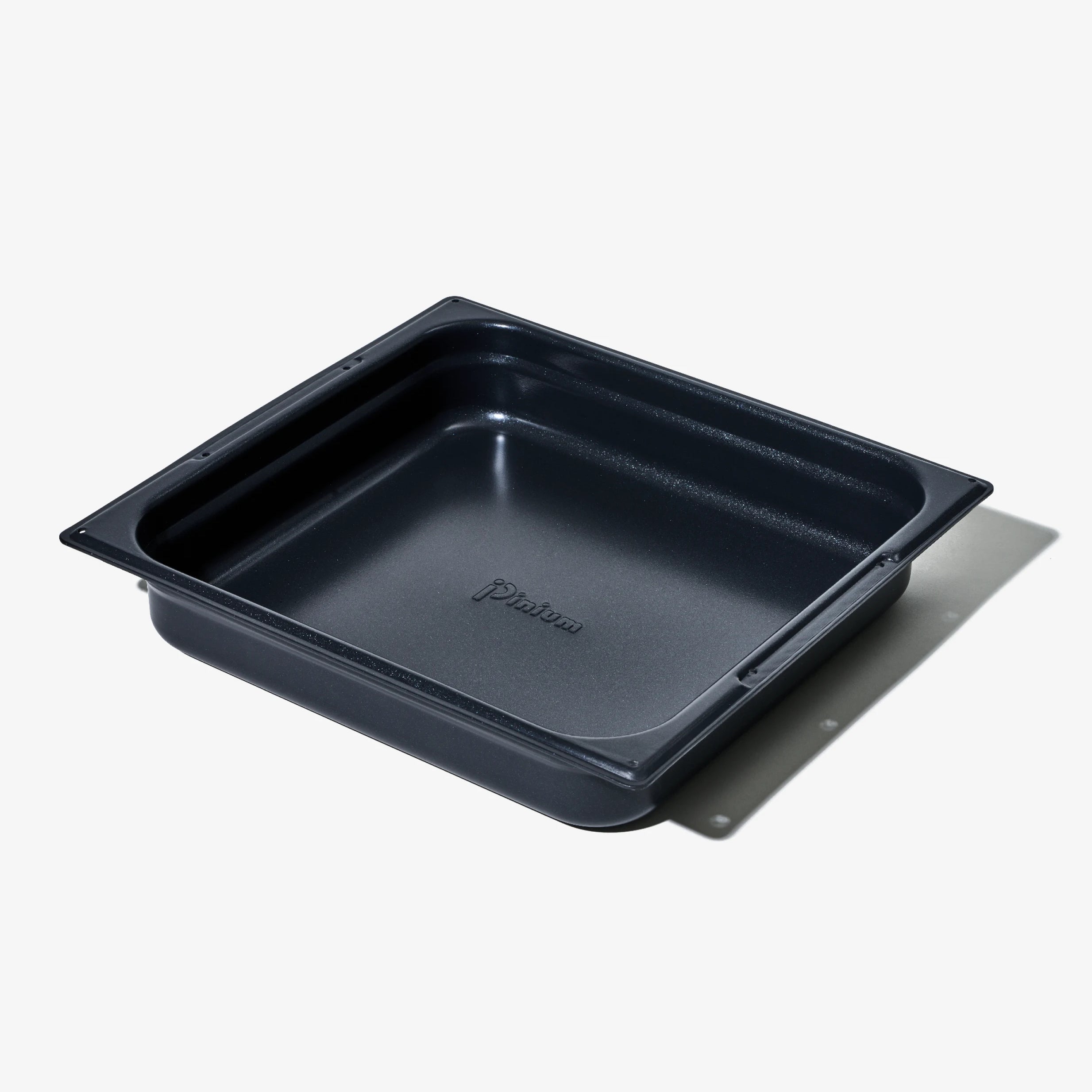
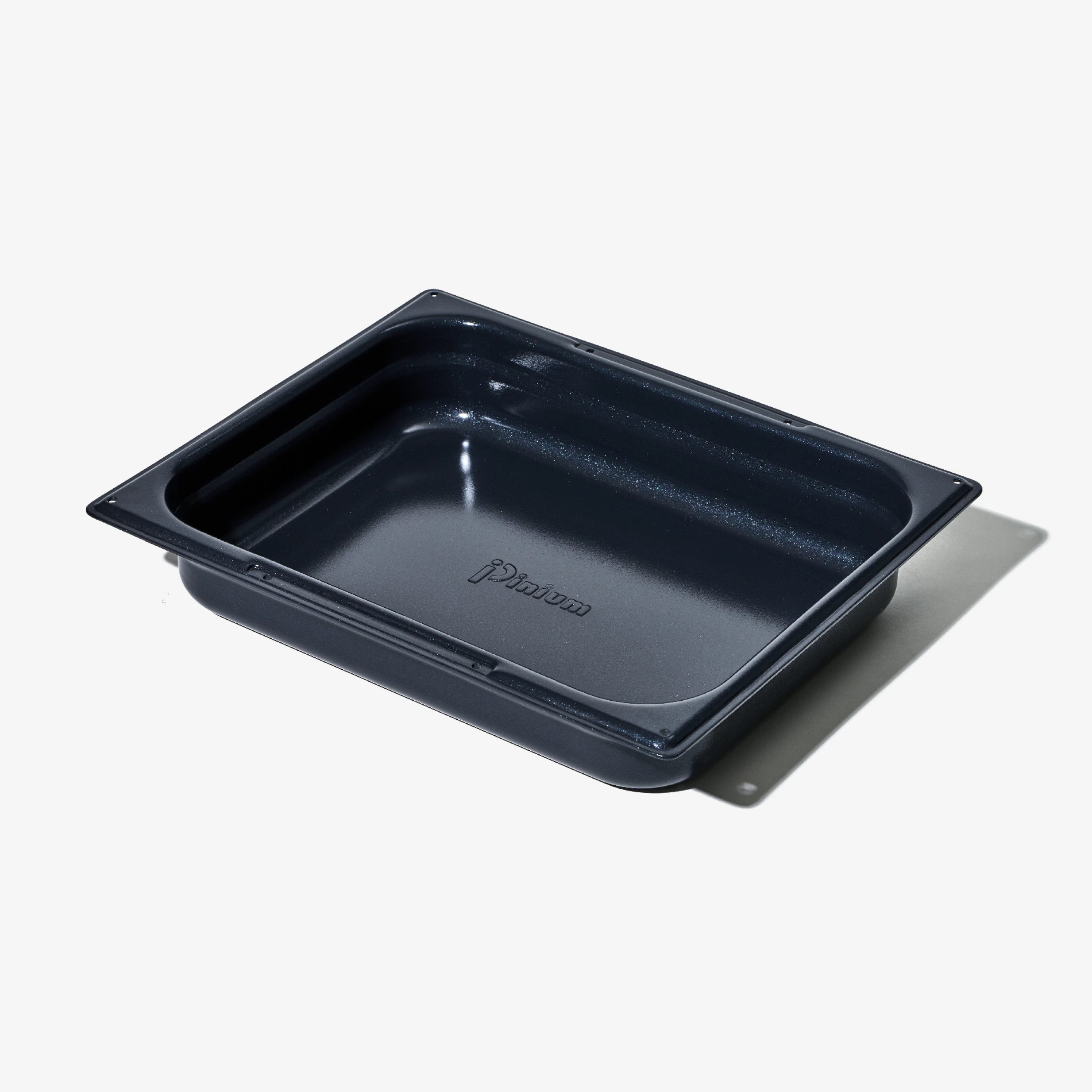
Roasting dish, Non-stick | OneRoast
Perfect for crispy vegetables, chicken, casseroles, and lasagna
From 1.154,00 NOK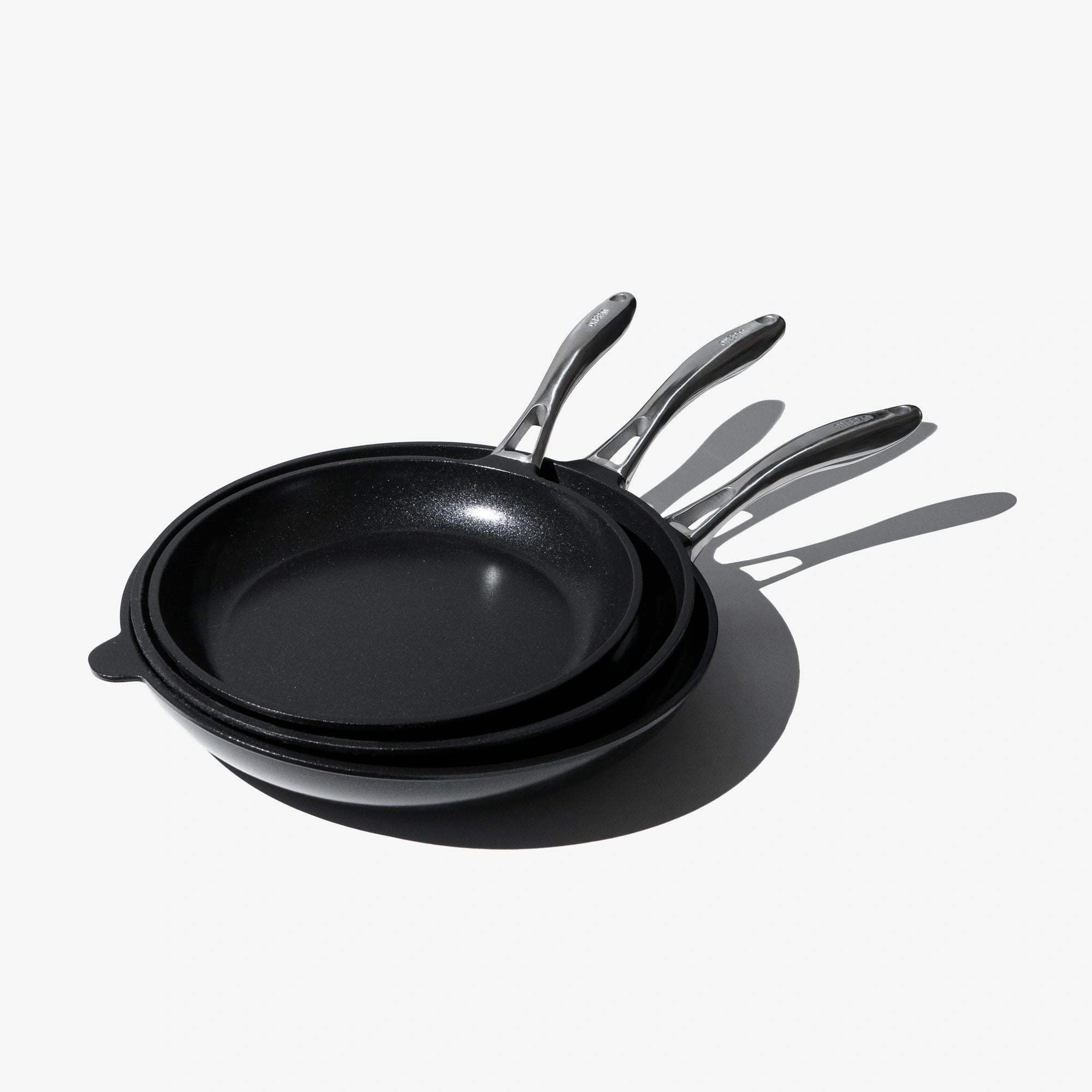
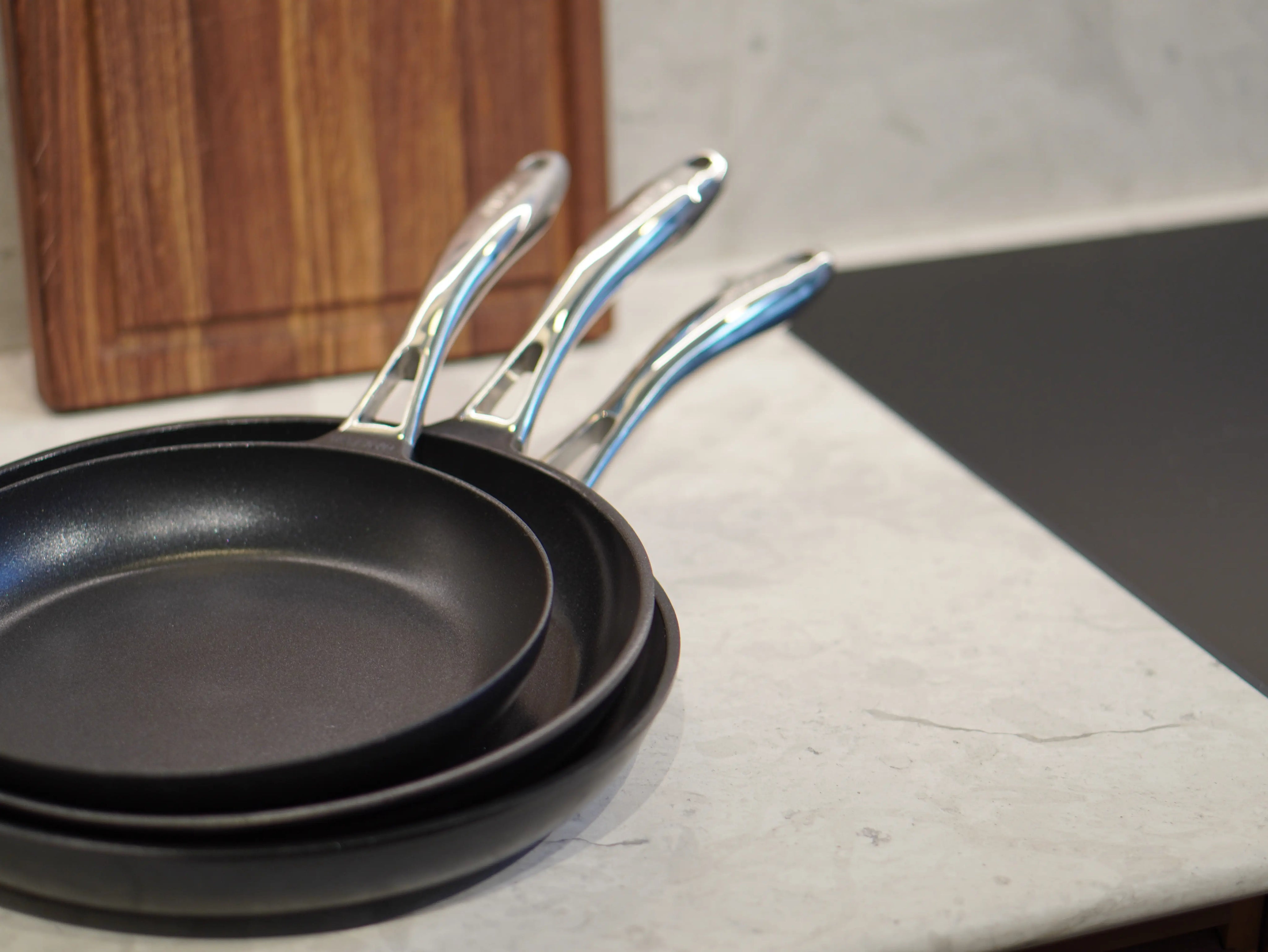
For every meal, every day
Save 1.186 kr NOK now!
Frying pans 24/28/30 cm, Ceramic non-stick | 3-piece set
4.799,00 NOK
Perfect for every meal, every day
3.613,00 NOK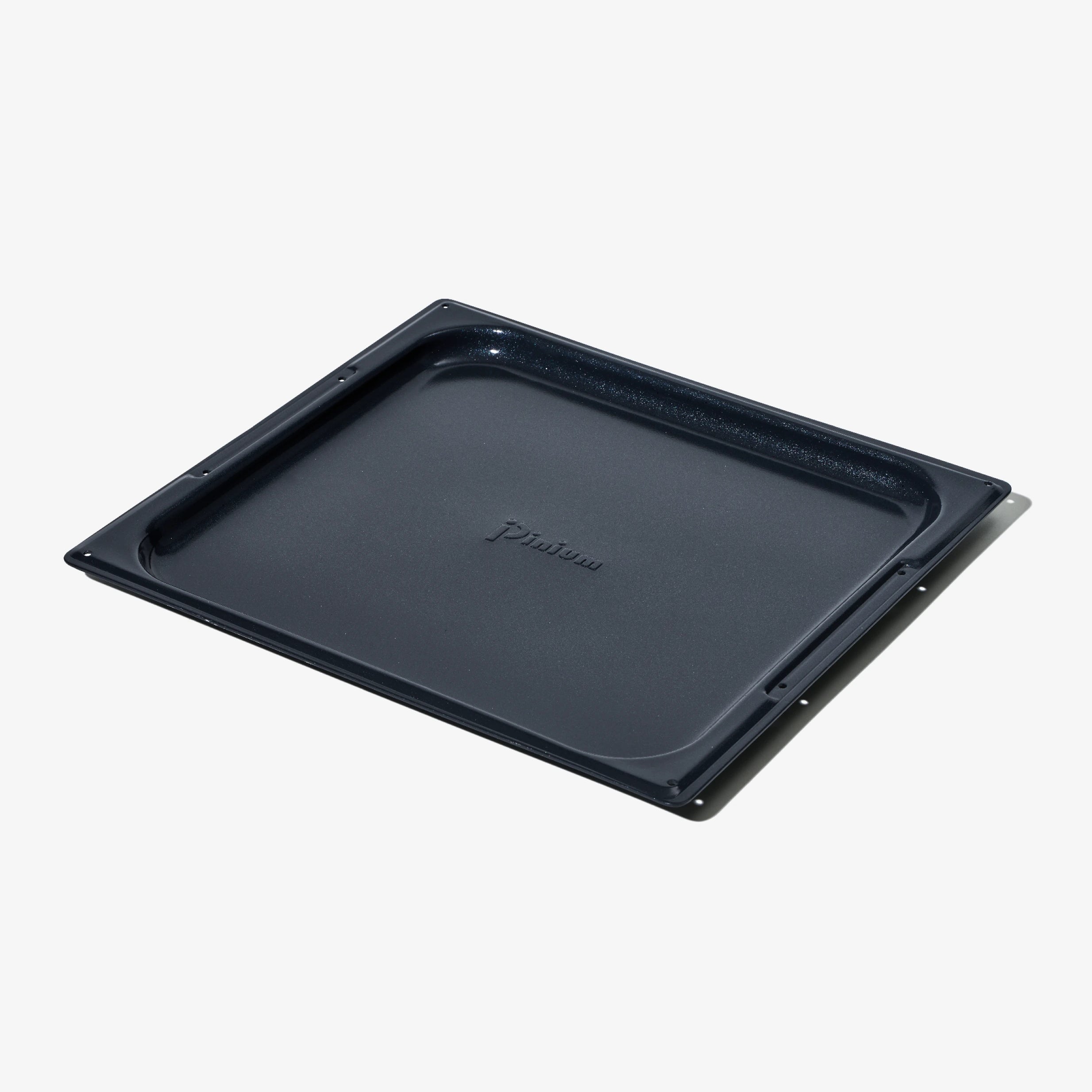
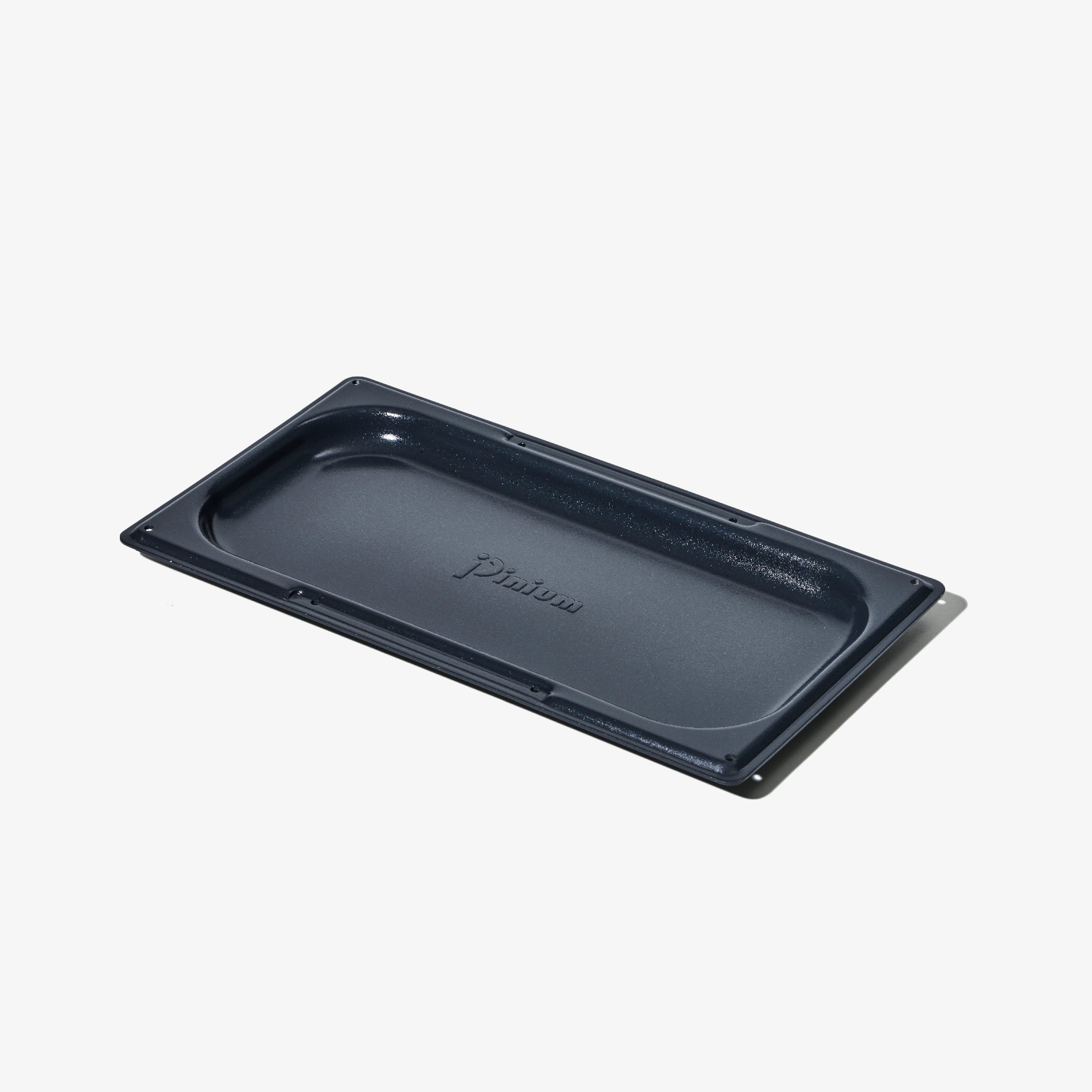
The tray that makes the air fryer ashamed
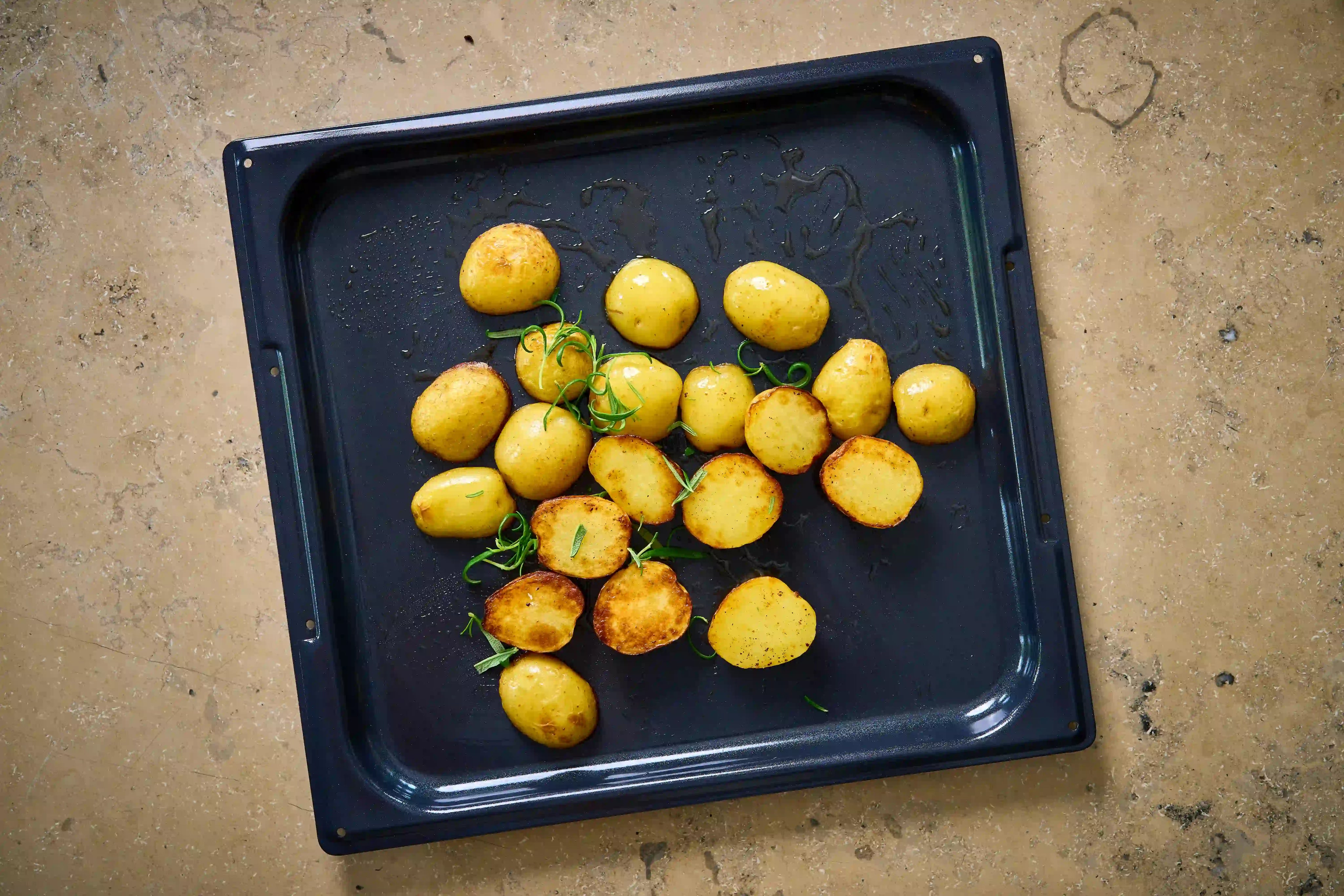
Pizza tray for baking in the oven, Non-stick | OneSheet
Perfect for everything from pizza to crispy potatoes
From 648,00 NOK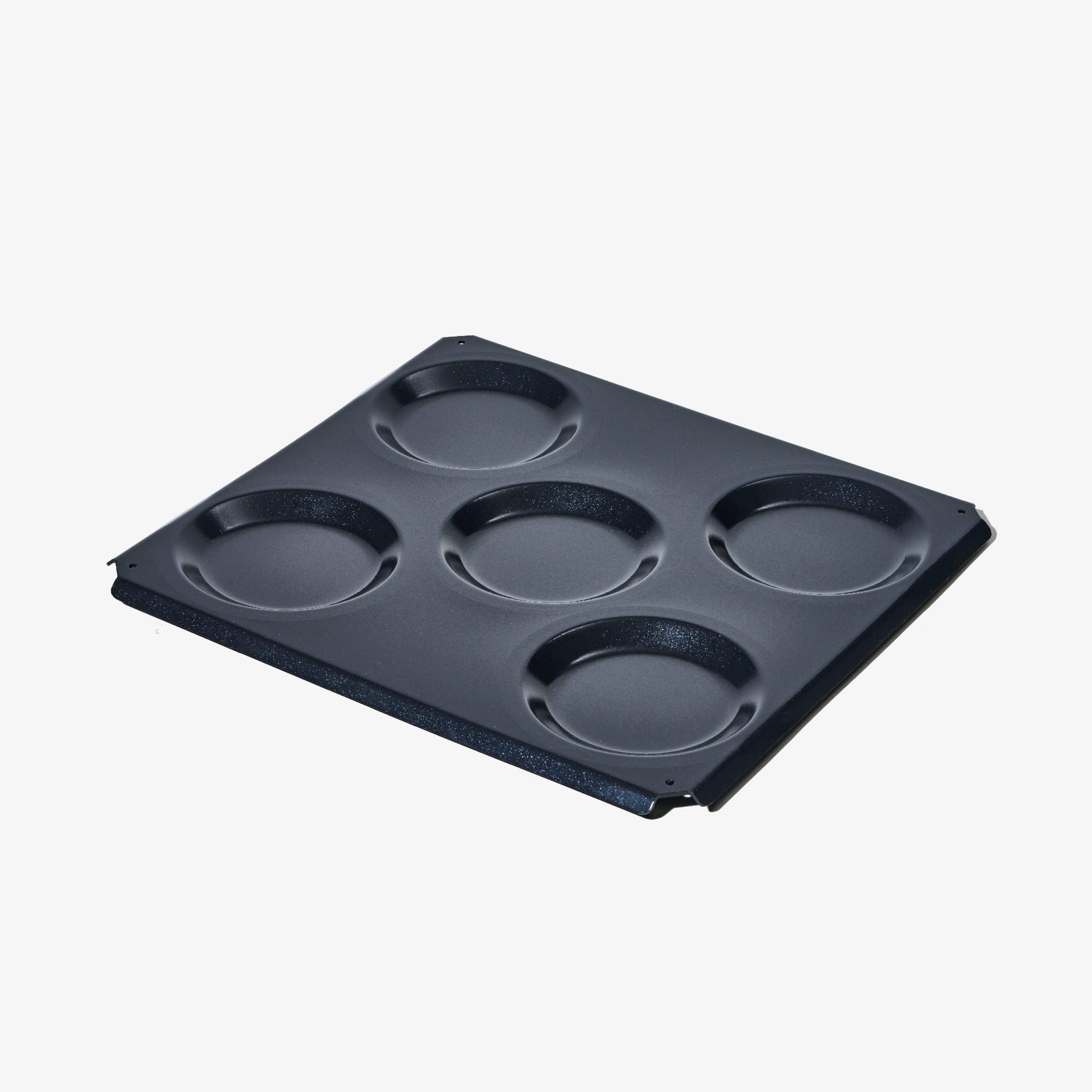

TikTok favorite for soft cookies
Oven tray for eggs & pancakes, PFAS-free non-stick | OneForm
Perfect for pancakes, crepes, potato pancakes, and cookies
1.154,00 NOK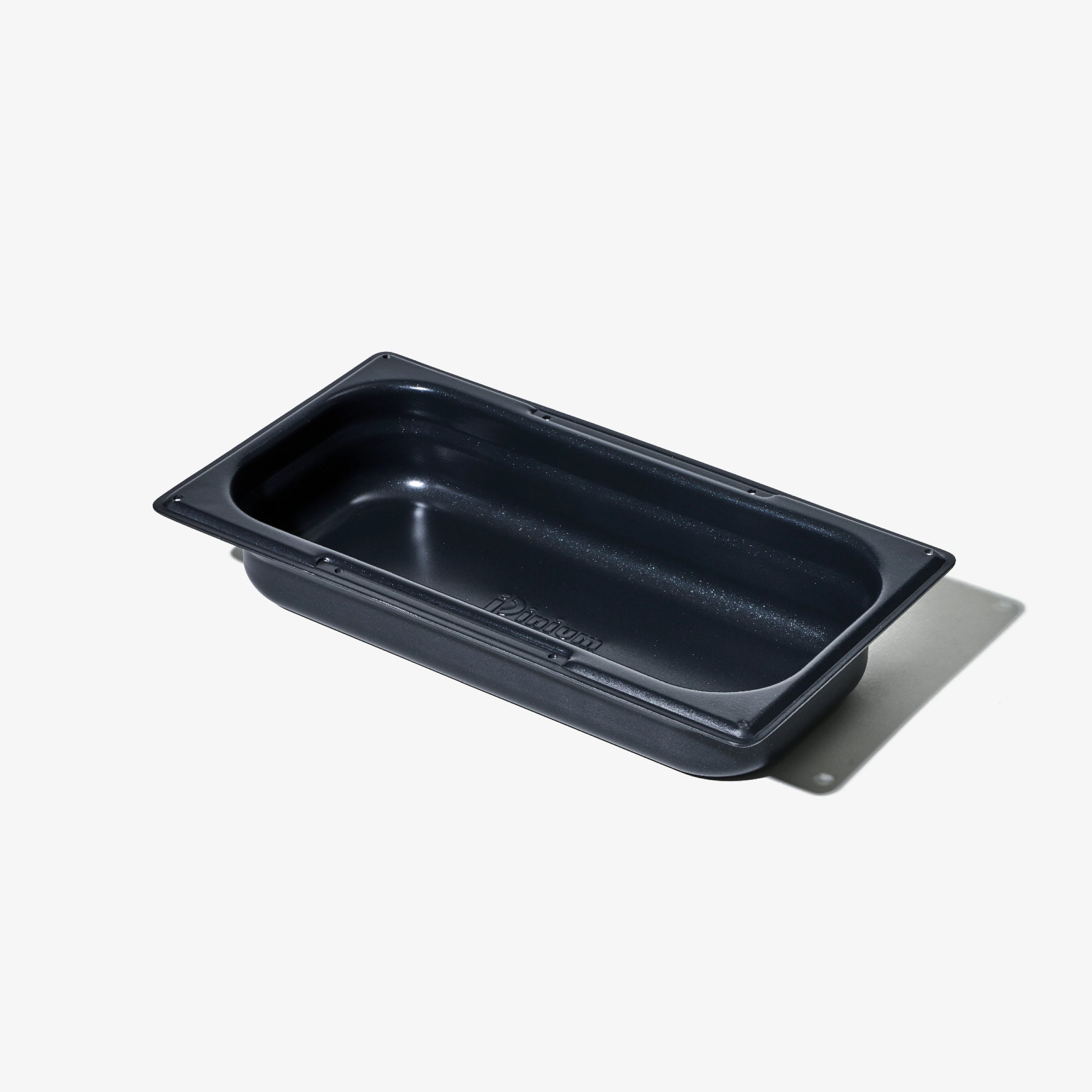
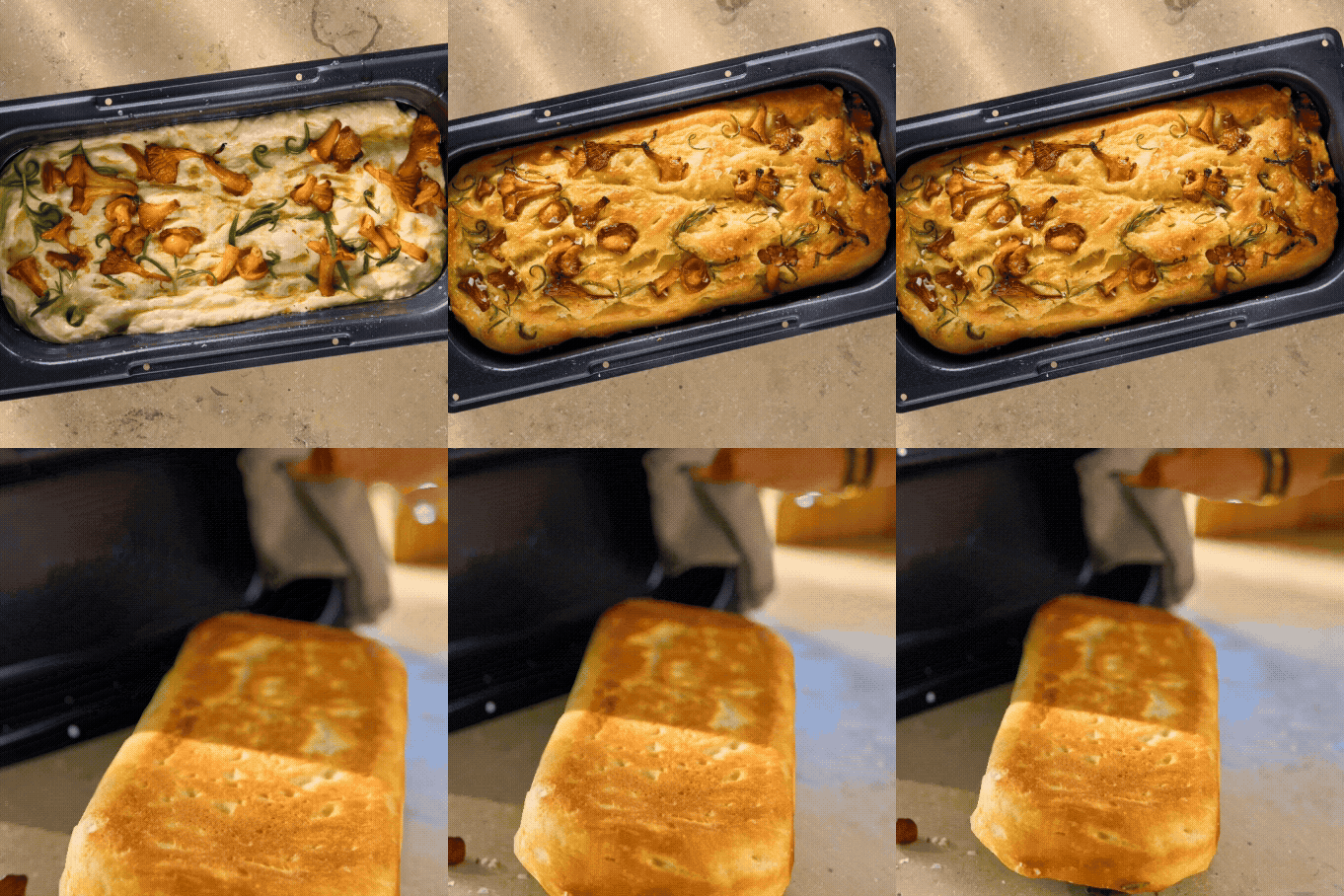
Your new favorite for everything that needs baking
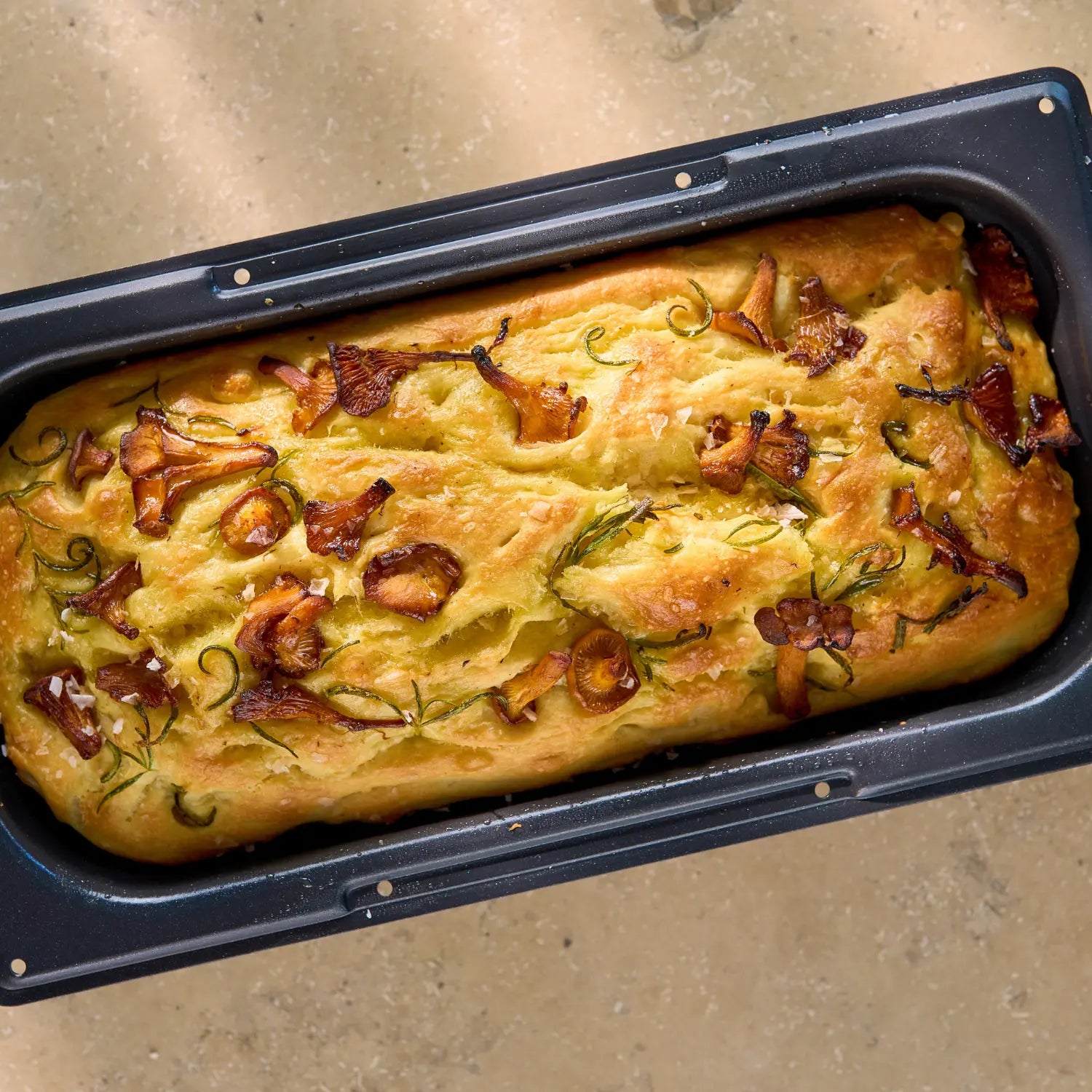
Baking tin for bread, ice cream & pastries | OneBake
Perfect for bread, cakes, and moist pastries
758,00 NOK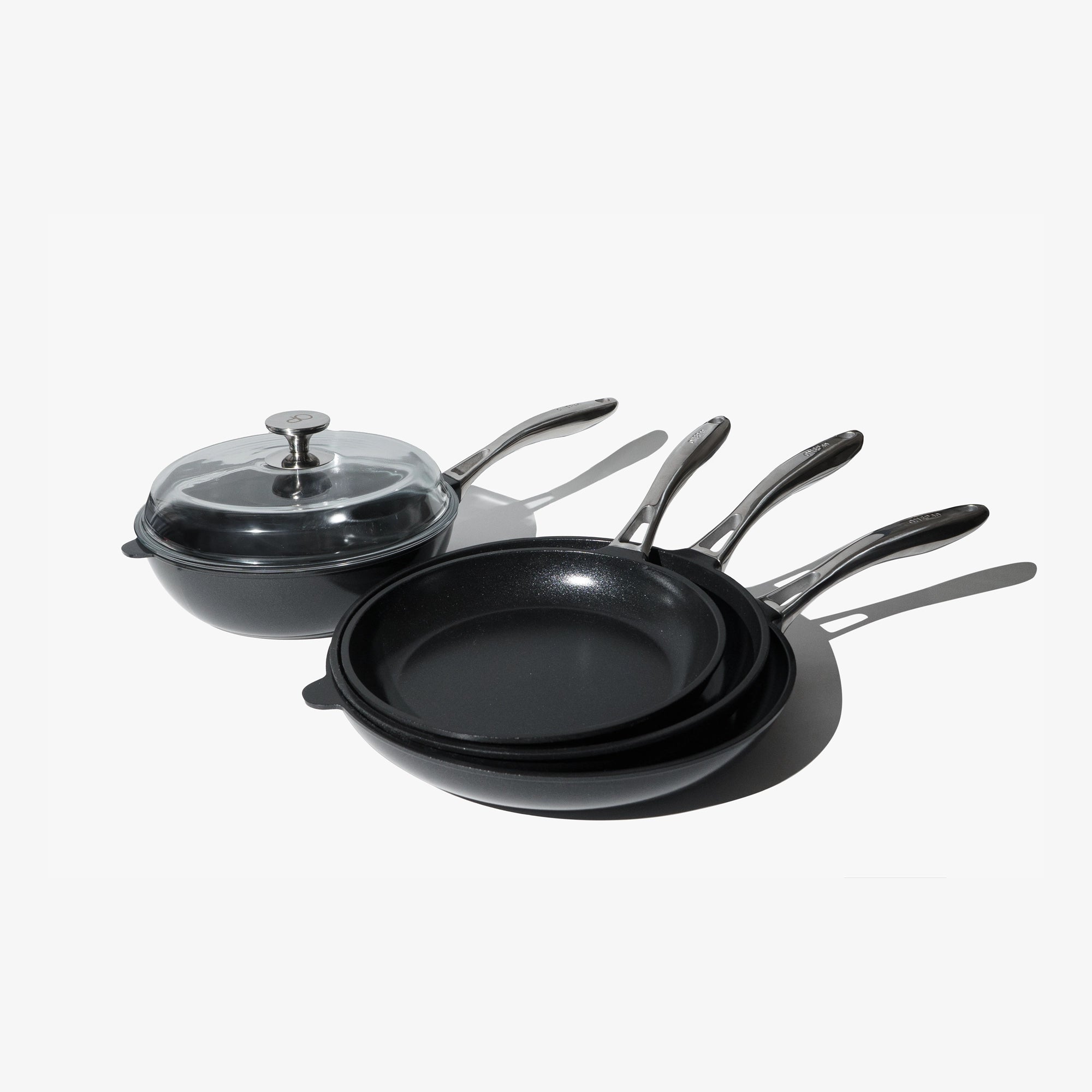
All you’ll ever need
Save 1.834 kr NOK now!
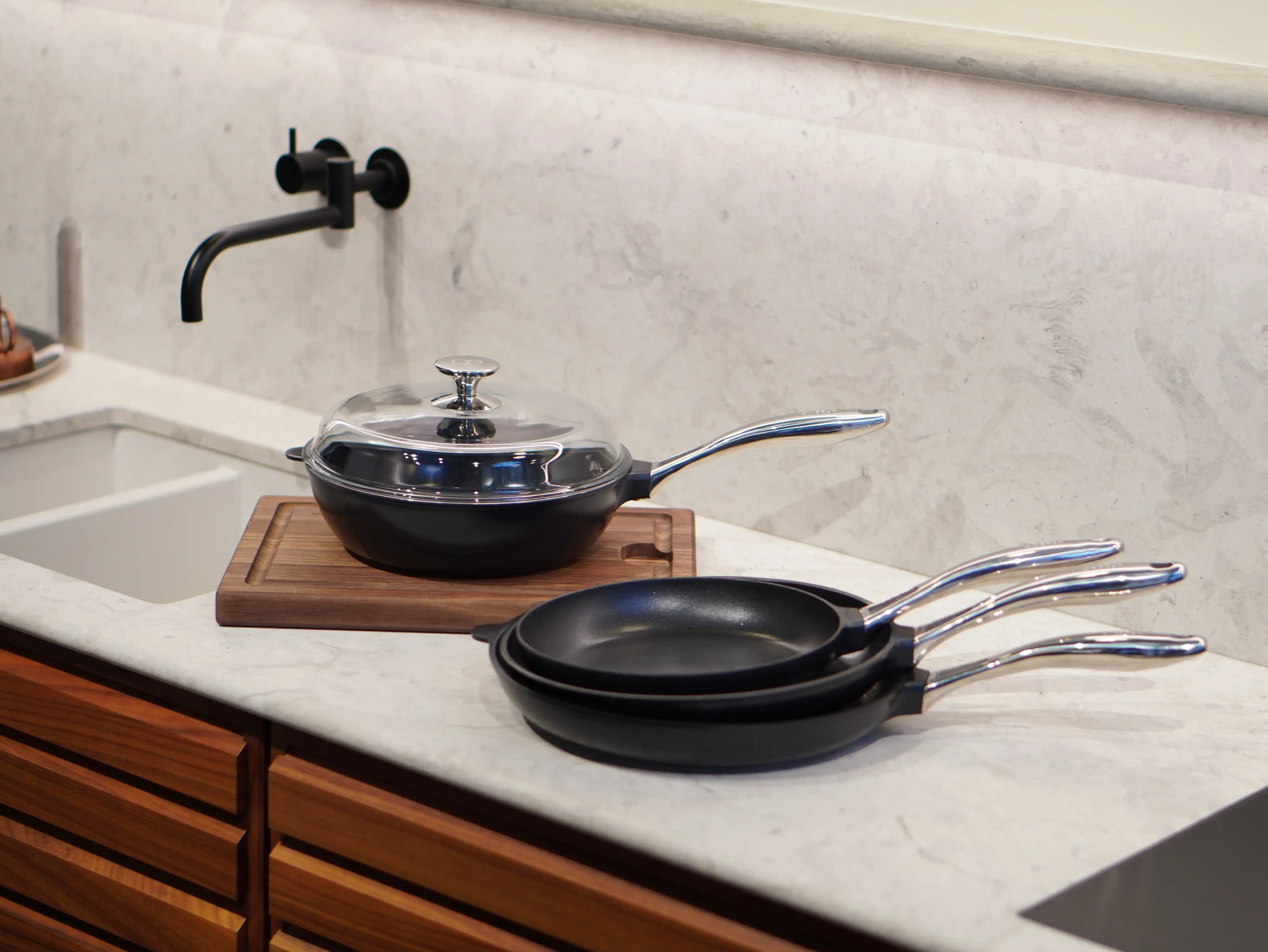
Frying pans + sauté pan, Ceramic non-stick | 4-piece set
6.655,00 NOK
Perfect for every dish, every day
4.821,00 NOK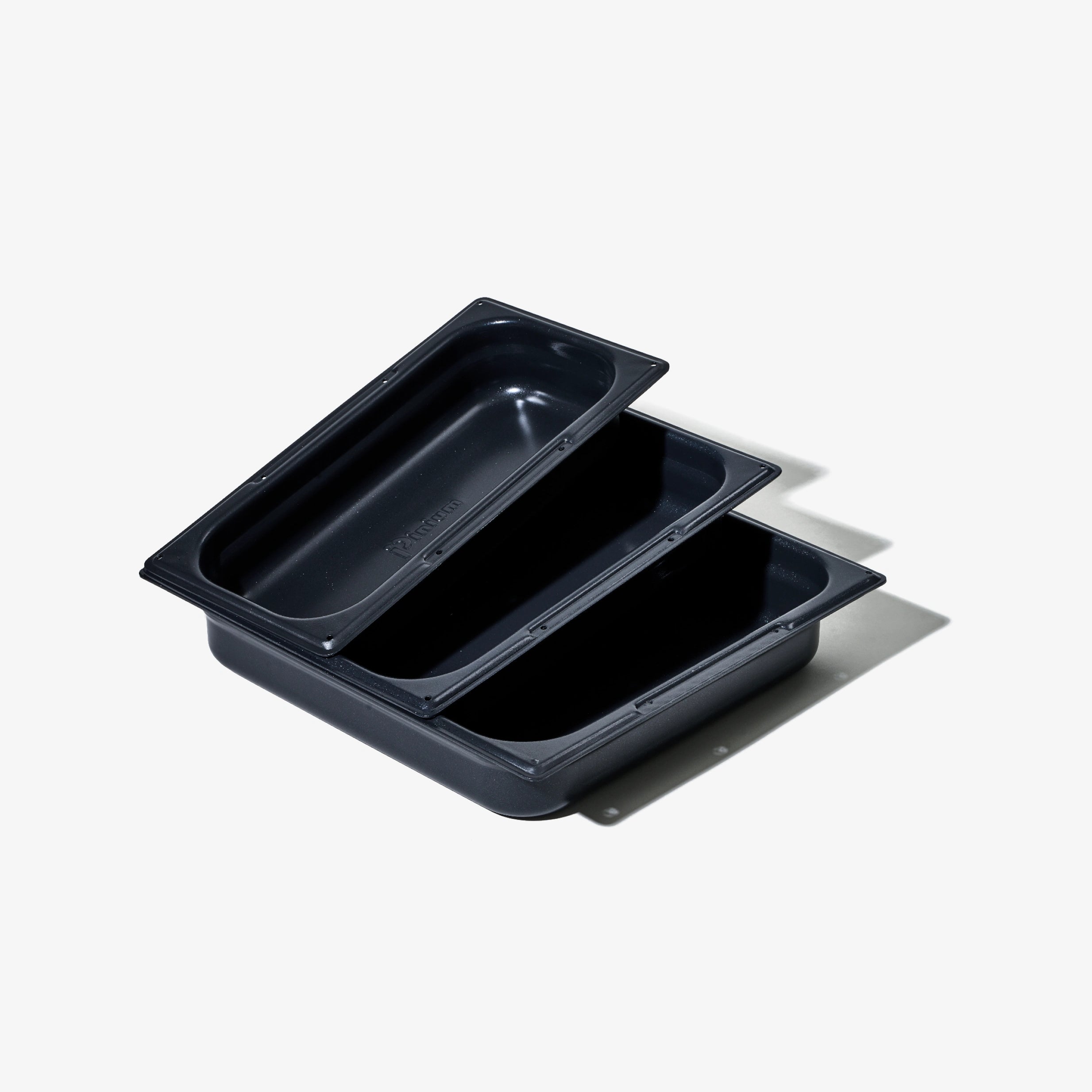
Your complete trio for oven and baking
Save 813 kr NOK now!
Oven dishes + baking tin, PFAS-free non-stick | 3-piece set
2.955,00 NOK
Perfect for everything from dinner to dessert
2.142,00 NOK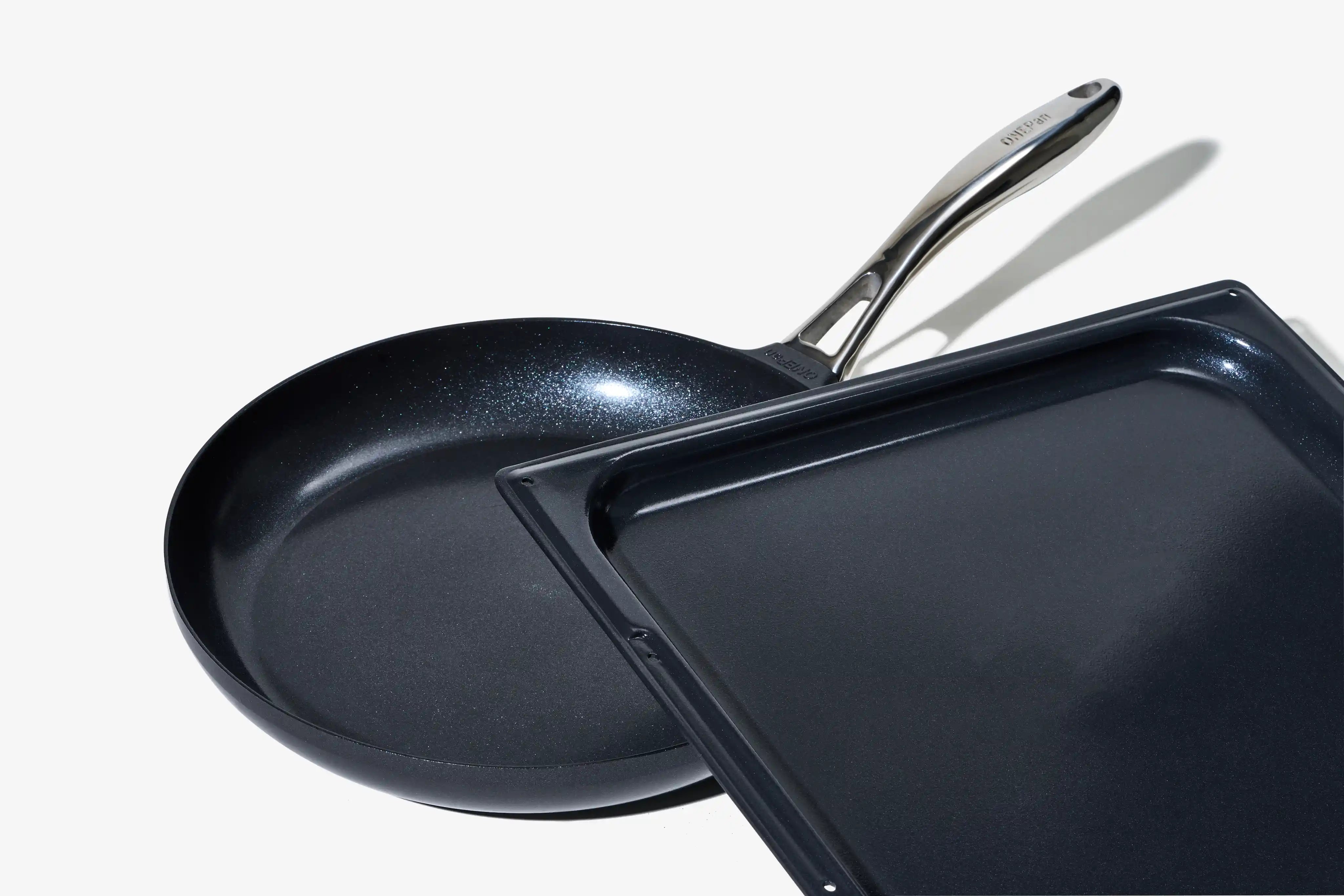
Two kitchen icons in one set
Save 549 kr NOK now!
Frying pan 28 cm + Pizza Tray, PFAS-free non-stick | 2-piece set
2.405,00 NOK
Perfect for everything from everyday dinner to pizza night
1.856,00 NOK

Perfect for simmering & slow cooking
Premium glass lid included
Save 110 kr NOK now!
Frying pan 28 cm + Glass lid | OnePan
1.747,00 NOK
Perfect for everyday dinners and the family's favorite dishes
1.637,00 NOK
Premium glass lid included
Save 110 kr NOK now!
Premium glass lid included
Save 110 kr NOK now!
Frying pan 20 cm + Glass lid | OnePan
1.417,00 NOK
Perfect for omelets, pancakes, and small portions
1.307,00 NOK